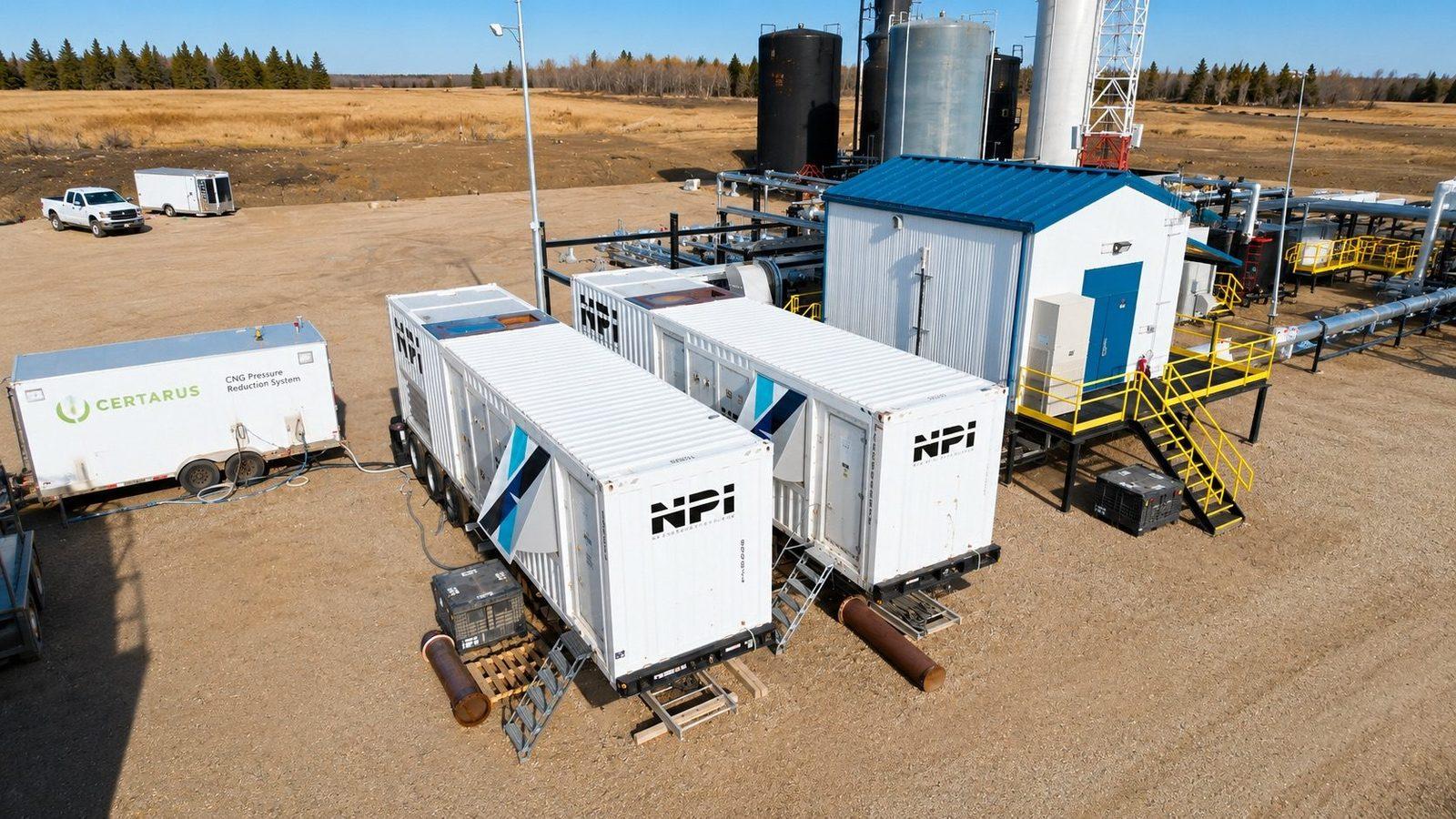
When a unit comes offline for maintenance, the crews that arrive to work on it bring a small town with them. Generators, distribution, transfer switches, transformers, heat and fuel for that town, laid out together and quoted as one package from Red Deer.
A turnaround isolates part of the facility so it can be opened up, cleaned and repaired. The work around it still needs electricity, and so do the parts of the plant that keep operating. It falls into four groups.
Lunchrooms, change trailers, safety and permit offices, and tool cribs set up beside the unit for the length of the outage. Hundreds of people use them every shift, and all of it runs on power that has to come from somewhere other than the plant.
Welding machines, grinders, compressors and the lighting for night shifts, spread across a laydown yard and up into the structure. These loads move as the work moves, so the power has to reach many points rather than one.
Control rooms, instrument air, heat trace and the parts of the facility that stay in service while one unit is down. Their normal supply may be isolated for the work, and they need a second source for every hour of it.
A shutdown scheduled between November and March adds hoarding, warm-up shacks and equipment that has to be kept above freezing. Inside a plant, open flame is usually restricted, which narrows the choice of heater.
Each piece has its own page with the detail. On a turnaround they are chosen together, because the generator size depends on the layout, the switches depend on which loads stay live, and the heaters change what the generator has to carry.
The supply for everything above. Gas and diesel sets from the rental fleet, from small units for a trailer row up to gas sets of 1.9 MW, and NPI Series packages that run in parallel when one set is not enough.
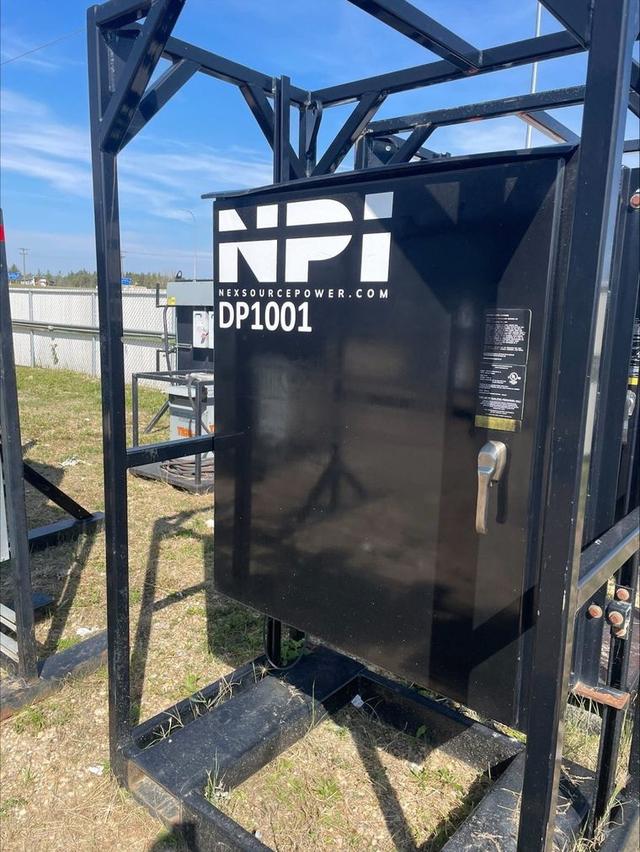
Megawatt power →Main and branch panels, from 30 A to 1,200 A, and the cable between them. This is what turns one generator into dozens of protected circuits across the laydown.
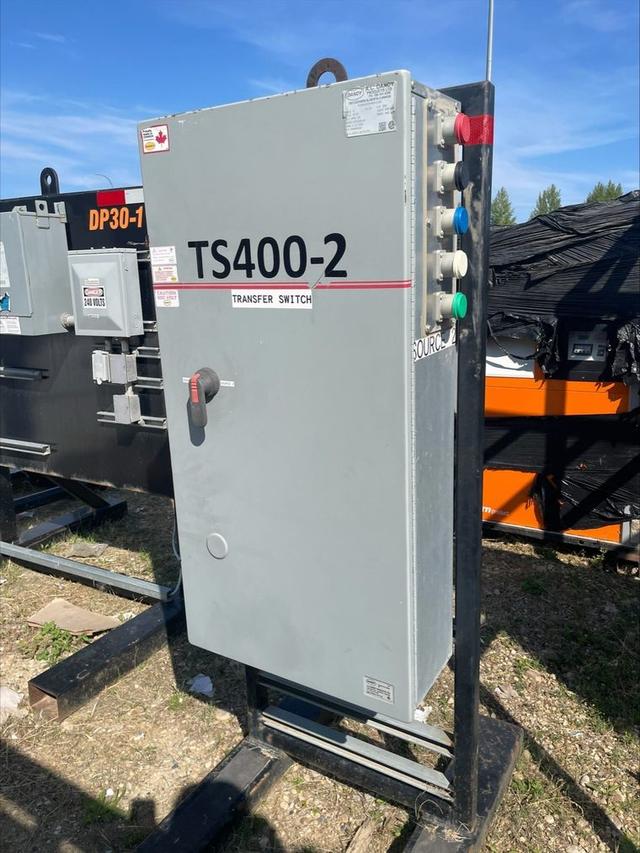
Power distribution rentals →A 1,000 A automatic and a 400 A manual switch in the fleet. They move the loads that must stay live onto the rental power when the plant isolates its own supply, and hand them back afterwards.
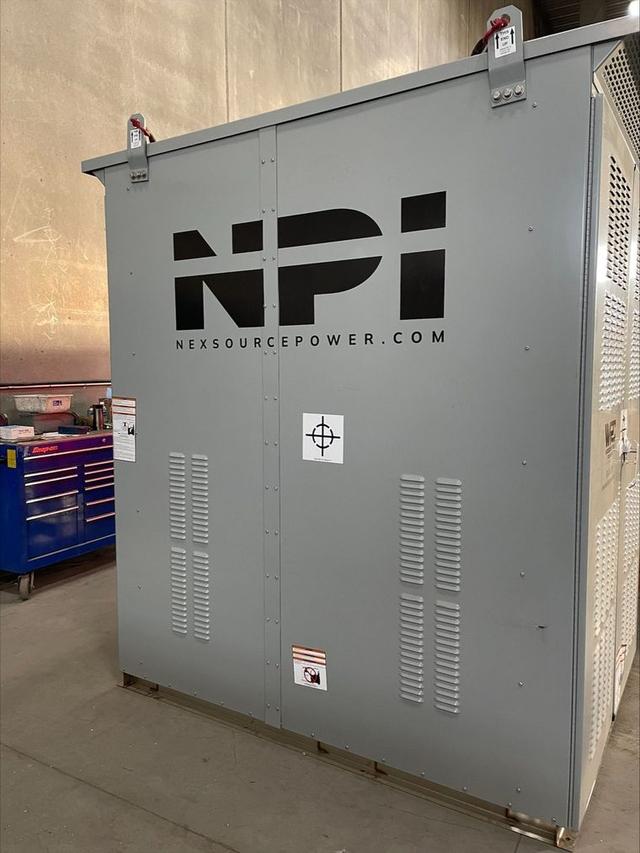
Transfer switch rentals →Supplied with the package when the generator's voltage and the equipment's voltage differ, typically a 600 V set feeding 120/208 V trailers.
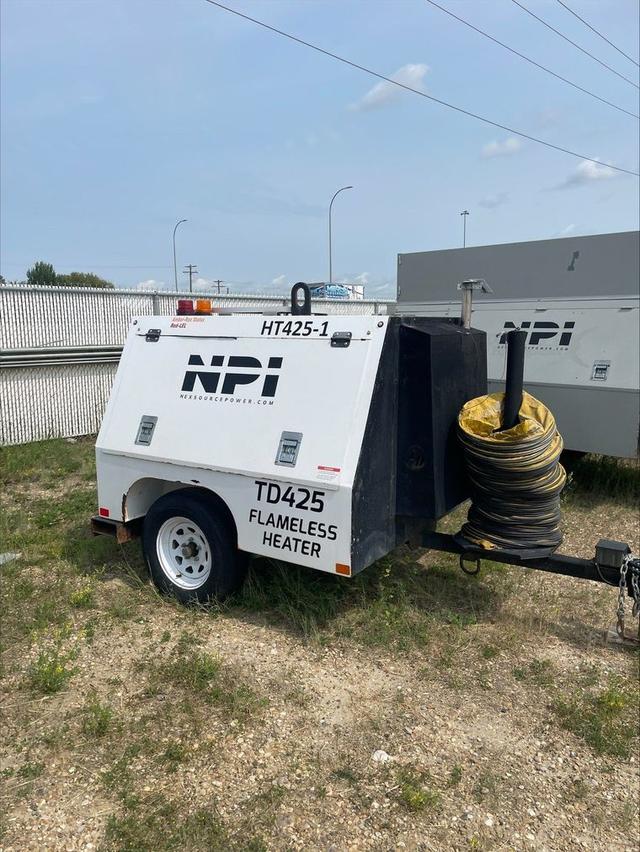
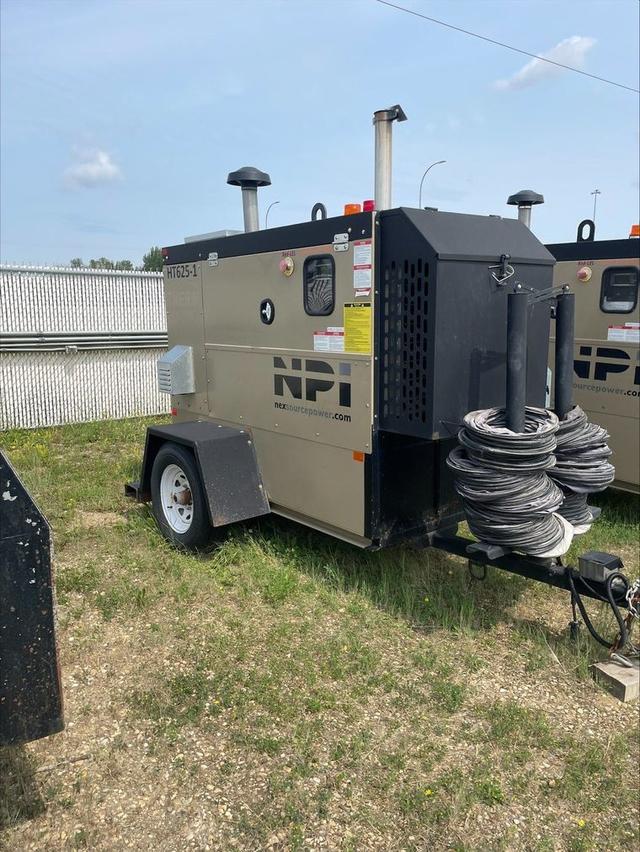
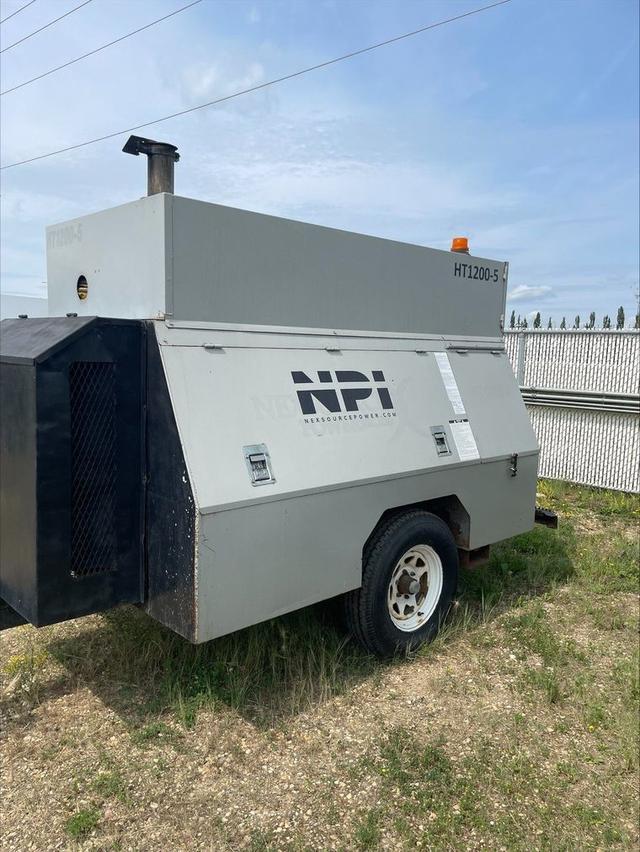
Transformer rentals →Diesel heaters with no burner, each with its own engine, so they warm hoarding and equipment without drawing on the generator. Whether they can stand near a given unit is the plant's decision.
Flameless heater rentals →Storage beside the diesel sets and heaters, so a shutdown running around the clock does not depend on a delivery every day.
Fuel tank rentals →Temporary power is easiest to get right while the turnaround is still on paper. These are the four points where it needs attention.

Send the load list, a plot plan of the laydown and the dates. The layout comes back with the quote: where each generator sits, how the panels branch out, and which loads get a transfer switch.
Settle who connects the equipment, the site's orientation and permit requirements, and where trucks can drop each piece. COR and ISNetworld paperwork goes in with everything else the gate asks for.
The equipment runs around the clock with the shifts. Field service answers 24/7 at (403) 887-4567, and fuel is kept up by the site's supplier or from the tanks in the package.
The transfer switches hand the critical loads back to the plant once its supply is proven, and the package comes out in stages as the contractor village empties.
A refinery, upgrader or gas plant decides where temporary equipment may stand, what paperwork comes through the gate and who may connect to what. No hazardous-area rating is published for our rental equipment, so generators and heaters go where the plant's area classification allows, normally out in the laydown.
The connections are made by the plant's own electrical contractor on most turnarounds, or arranged as part of the package where that is agreed. Either way, it is settled before the quote is final, along with orientation, permits and the delivery route inside the fence.
Read from live inventory, so anything already out on a job is left off. The generators have their own lists on the natural gas and diesel rental pages, and load banks can prove a rental set under load before the plant depends on it.
Every package leaves from our yard in Red Deer. These pages cover the regions where most plant shutdowns are, with the local detail for each.
Around Edmonton, the distribution, transformer and flameless heater pages go into the Heartland specifics.
As soon as the shutdown dates are fixed. A turnaround package is several generators, panels, switches and heaters sized to a layout, and that layout takes time to agree with the plant. Booking early also means the equipment can be staged and delivered in the order the site wants it.
Every trailer and building in the contractor village, the welders and tools by type and number, lighting, any heating that runs on power, and the plant loads that must stay live during the outage, with their voltages. A plot plan showing where each sits lets the distribution be laid out with the quote.
Yes, that is what the transfer switches are for. The loads that cannot stop are moved onto the rental supply before the plant's own supply is isolated, and moved back when the work is finished. Tell us which loads they are, their voltage and current, and how the switchover is to be done.
No hazardous-area rating is published for our rental equipment. Generators and heaters are placed where the plant's area classification and safety rules allow, which is usually outside the unit in the laydown. Ask the plant's safety team before the layout is fixed, and we will plan around what they say.
Usually the plant's own electrical contractor, who already works to the site's rules and permits; on some jobs the connection is arranged as part of the package. Agree which before the quote is final, so the delivery and the hook-up are planned together.
It is quoted as one package for the whole outage. The number of generators, the distribution, the switches and heaters, the length of the shutdown, fuel and the distance from Red Deer all change it, so there is no published rate. Sizing advice is free and the quote is written.
Send the shutdown dates, the load list, a plot plan of the laydown and the loads that must stay live. The written quote lays out the whole package, from the generators to the last panel, with delivery from Red Deer.