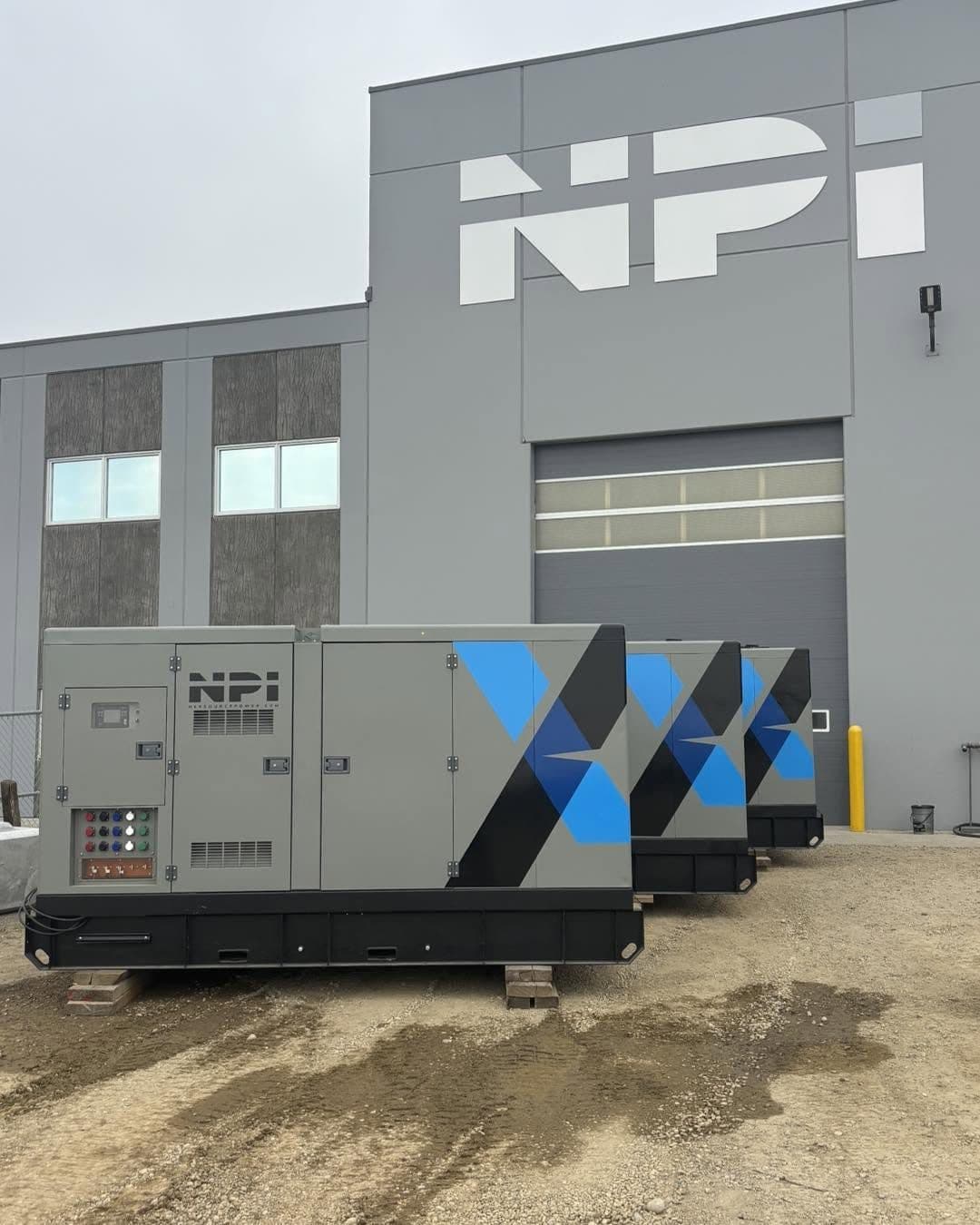
Gas and dual-fuel propane sets from 25 kW to 1.9 MW, in stock now: some built in our own shop in Red Deer, some new surplus, some used with their history written down. Each one quoted on its own, because no two are worth the same.
The same kilowatt rating can be a new build, a set that never went to work, or an engine with a career behind it. All three are worth buying for the right job — they just answer different budgets and different lengths of commitment.
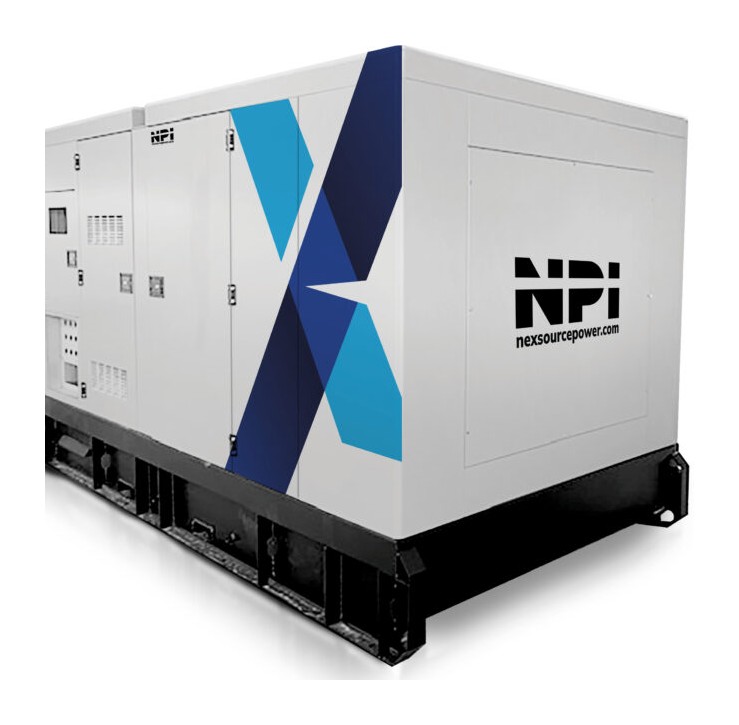
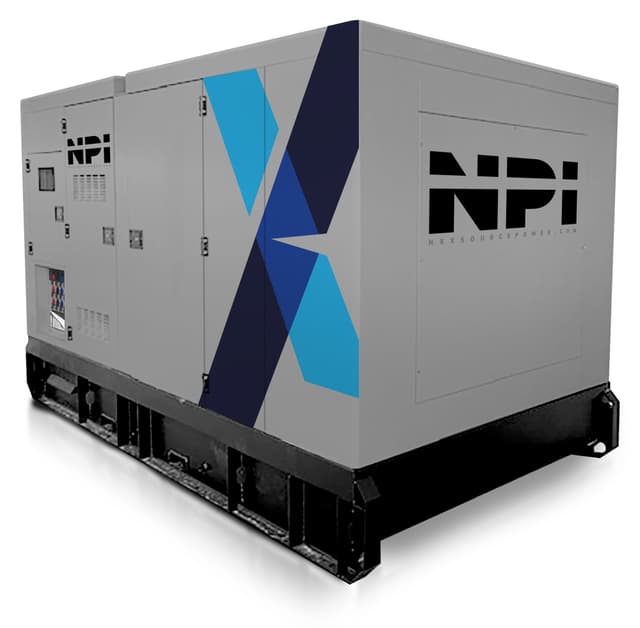
The NPI Series is designed and assembled in Red Deer, with dual fuel, a paralleling controller and a breaker set aside for a load bank as standard rather than as options. Ask whether a given unit is straight from the build or has worked a rental term.
The NPI Series →Sets that were built but never put to work, bought in as stock and sold for less than new. The build year can be several years back, which is why the listing carries it — ask what storage and inspection it has had since.
Sets that have run, some of them for tens of thousands of hours. The listing gives the hours since new and, where there has been one, the hours at the last major overhaul. That second figure is the one that decides what you are buying.
Every gas and dual-fuel unit currently offered for purchase. The list is drawn from the inventory itself, so a set that sells comes off it. Condition, build year and hours are on each unit's own page.






Looking for diesel, engines or load banks instead? The full list of equipment for sale covers everything offered for purchase, and generator rentals across Alberta covers the same fleet on rent.
A 40,000-hour engine that was rebuilt at 30,000 is a 10,000-hour engine with a long history. Ask for both figures, and for what the overhaul covered.
A 480 V set on a 600 V site brings a transformer into the scope. Several units in the list are fixed-voltage, and a few are selectable.
A set tuned for pipeline gas and one tuned for wet field gas are not interchangeable without work. Match the history to your supply.
Starting and idling proves very little. An hour on a load bank shows whether it holds frequency, voltage and temperature where it will actually be worked.

A load that will be there for a decade is worth owning the set for. One that might move after a season usually is not — and a site whose future is uncertain can rent first and decide later. Much of this list rents as well as sells, and the guide on renting against buying sets out where the line tends to fall.
On these units the rental payments count toward the purchase, so a trial term becomes a down payment instead of a cost:
A new-surplus set has not worked a service life: it was built or bought as stock and never put to work on someone else's site, so it is sold at a surplus price rather than a new one, often a few years after its build date. A used set has run, and where we have them its listing gives the hours, the build year and the last overhaul. If a listing does not say which of the two a unit is, ask.
Because two units of the same model are rarely worth the same. Hours, overhaul history, voltage, enclosure and whatever controls the set carries all move the number, and a published figure would be wrong for one of them. Ask about a specific unit and it is quoted in writing.
Ask for it. Load banks are part of the same fleet, so a set can be run at a real load rather than idled on a starter test. A used engine that holds its load and its temperatures for an hour says more than any number on a spec sheet.
That is the first thing to settle, before the kilowatts. Utility gas, field gas and propane each ask different things of the regulation and the inlet, and a used set may have been tuned for a supply unlike yours. Send the gas analysis with the enquiry. The dual-fuel units in the list take natural gas or propane, and the fuel line on each listing says which is which.
The NPI Series is parallel-capable as built, so a second unit bought later joins the first rather than replacing it. On a used set it depends on the controls it carries — some come with paralleling gear, some do not. Send the make and model of whatever you would be paralleling with and we will say whether it works before you commit.
On part of the gas fleet the rental payments can go toward buying the unit, which suits a load that looks permanent but has not been proven yet. Where that is offered the listing carries a Rent to Own badge.
If one of the listings is the set, say which and it is quoted in writing with its hours. If not, send the running load, the voltage and the gas you have, and we will say which unit in the yard fits — or that none does.