A build does not draw the same power in month two as in month ten. Temporary site power from NexSource is matched to the job as it stands — trailers at mobilization, crane starts during structure, heat through the winter close-in — and changed as the job moves on.
Renting one generator for the life of a project means paying for crane-season capacity during drywall. Planning the rental around the phases below keeps the set loaded properly and the fuel bill honest.
01
Site offices, the dry shack, a tool crib and early excavation. The loads are small and scattered, and most of them want 120/240 V. It is the easiest phase to oversize, and an oversized set is paid for every day it sits there.
02
Tower cranes, hoists, welders and pumps arrive, and the job changes from lighting trailers to starting large motors. The generator is sized for the start, not the running current — that is where a set that looked big enough on paper falls over.
03
Once the envelope is up, the load shifts toward heat: keeping concrete and finishes above temperature and trades working through January. Trailer-mounted flameless heaters carry that work on their own diesel engines, so the heat does not lean on the site generator.
04
Building systems get proven before the owner takes them, often before the utility service is live. A load bank proves the permanent standby set; a rental carries the building if the utility connection runs late.
This list reads straight from the rental fleet, so a unit shown here can go out today. Open any of them for the full spec sheet.


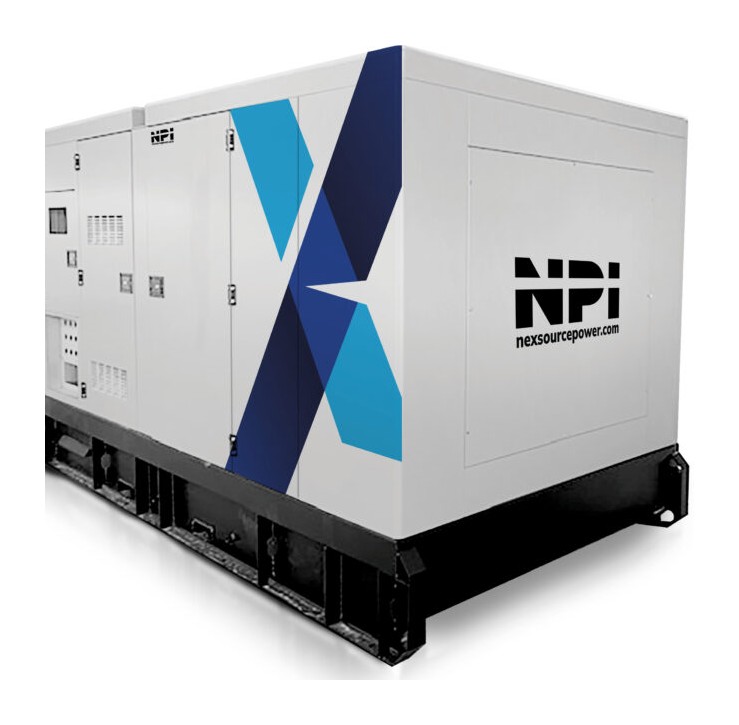


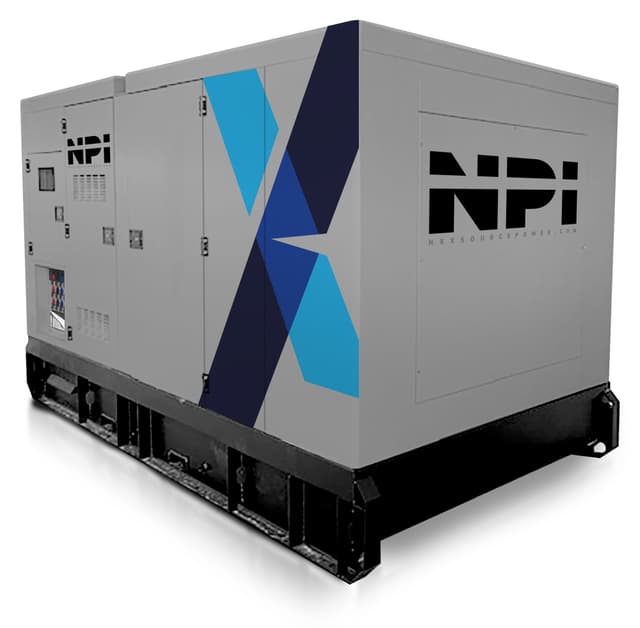


Working outside construction, or need more than generators? See the whole rental catalogue.
A hoist or crane motor can pull several times its running current for the moment it starts. A set that carries the running load comfortably can still sag the voltage far enough on that start to trip the crane. Soft starters and drives change the picture a lot, so the crane's electrical data beats a guess.
A diesel run for weeks at a small fraction of its rating never gets hot enough to burn its fuel cleanly, and the residue collects in the exhaust — wet stacking. It costs fuel and service time, and it is avoided by stepping the unit down when the load drops.
Plenty of generator packages are built for 480 V, while Canadian site distribution and crane supplies are often 600 V and trailers want 120/240 V. That is solved with the right unit or a transformer — as long as it is caught at the quote and not on delivery day.
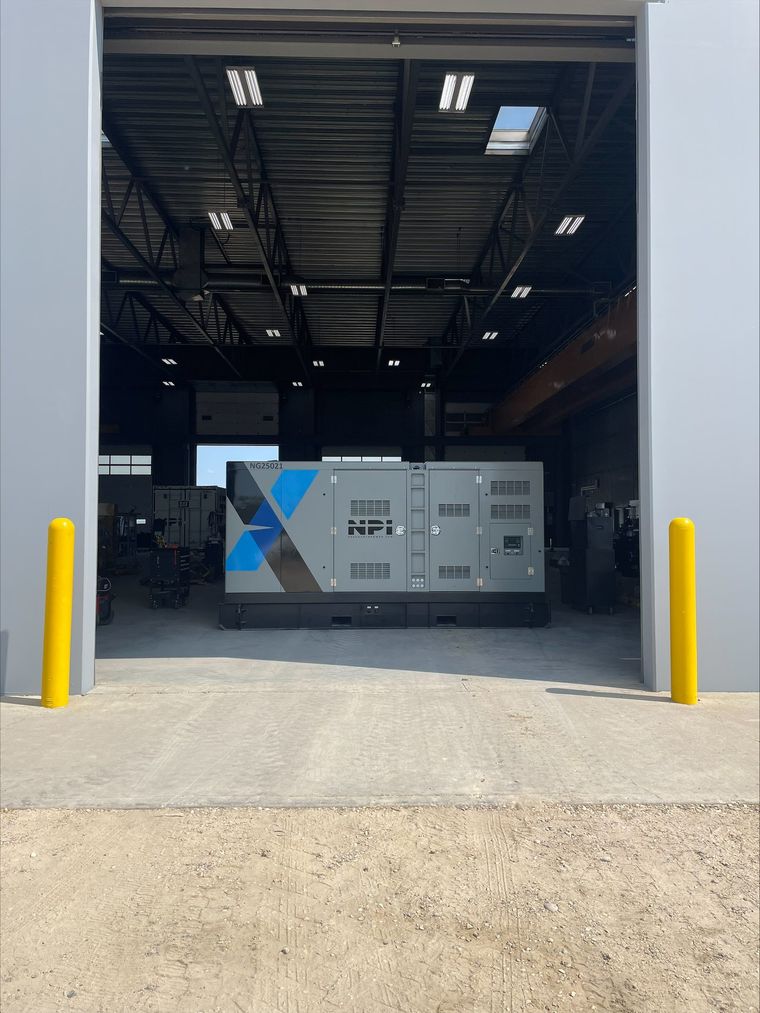
Panels and transfer switches take power from one set to the trailers, the crane and the tool circuits, and bring the building across when the permanent supply is live.
Distribution panels →Extra storage beside a diesel set means fewer fuel deliveries onto a crowded site, and less chance of running dry over a long weekend.
Fuel tanks →Clean, dry heat with no open flame, from self-contained diesel units — for curing concrete, drying out and keeping trades working through cold weather.
Why flameless heat →Put the building's permanent standby generator through its paces at commissioning, before the owner is relying on it.
Load banks →Whatever the largest motor start and the running load of that phase add up to — which is why one number for the whole project is usually wrong. Send the crane and hoist electrical data, the trailer count and any pumps or welders, and the package gets sized against those rather than a rule of thumb. The amperage calculator on this site is a reasonable first pass.
Yes, and on most projects it is worth planning for. A set big enough for crane season runs lightly loaded for months once the crane comes down, which wastes fuel and, on a diesel, builds up unburned fuel in the exhaust. Swapping to a smaller unit for fit-out is usually cheaper than keeping the big one.
Usually diesel, because a greenfield site rarely has gas service. Where it does — an addition to an existing plant, or a site where the gas utility is in ahead of the electrical — a natural gas or propane set removes fuel deliveries from the schedule entirely. Say what fuel is on site when you enquire.
It is quoted per job. Term, size, distribution, fuel tanks and heat all move the price, and a four-week foundation pour does not price like an eighteen-month build. You get the quote in writing, and sizing advice costs nothing.
On some units. Rent-to-own applies to the NPI Series and parts of the wider fleet, with rental payments counting toward purchase — worth asking about if the project runs long or the contractor expects to need the unit on the next job.
Renting in Alberta specifically? Generator rentals in Alberta covers field gas and the wider provincial fleet.
Include the phases, the crane and hoist data, and the fuel available on site. You get a written quote with a plan for each stage of the build.

