Flameless heaters for welding shelters and cold equipment, and generators, panels and fuel for the yards, offices and stations behind the spread. Supplied from Red Deer for jobs across Alberta and into Saskatchewan.
Much of Alberta's pipeline work is done in winter, when muskeg and farmland are frozen hard enough to carry the equipment. That puts heat at the front of the list, and some of the equipment moves with the crews while the rest stays put.
In January a weld can't be made in the open wind. Crews build a shelter over the joint and heat it, then strip it and move to the next one. Many tie-ins are close to a line that is already carrying product, where the operator limits what may burn.
Sidebooms, excavators and trucks parked overnight on the right-of-way. Ducting warm air onto engines and hydraulics before the shift is often quicker than waiting for them to warm up on their own.
The stockpile site, the superintendent's trailer, the safety office and the shop. They stay put for the season and need steady electricity for heat, computers, plug-ins and the lights that the yard runs under.
Compressor, pump and meter stations are built before the utility service is energized. Their construction crews need temporary power in the meantime, and so do the commissioning checks before the permanent supply arrives.
When the work is far from town, the crew sleeps, eats and dries its gear on site. A camp is a small town on generator power for the whole job.
Remote camp power →The heat comes from the work of a diesel engine on the trailer, not a flame. That is the reason pipeline crews ask for flameless units: an operator who bans burners near a tie-in may still accept one after its own review.
Each heater carries its own tank and needs no generator, so a crew can tow it to the next weld and start it with nothing else on site. A thermostat holds the shelter at temperature through the night, and automatic shutdowns stop the unit if something goes wrong.
| Unit | Output | Fuel on board |
|---|---|---|
| TD425 | 425,000 BTU/hr | 84 gal |
| TD625 | 625,000 BTU/hr | 200 gal |
| TD1200 | 1,200,000 BTU/hr | 210 gal |
There is no size chart. The unit is picked from the shelter's dimensions, how tight it is, the temperature it must hold and the weather forecast for the job, and a long spread may mix all three.
Pulled from live inventory, so a unit already out on a job drops off the list. Each listing has the full specification sheet.
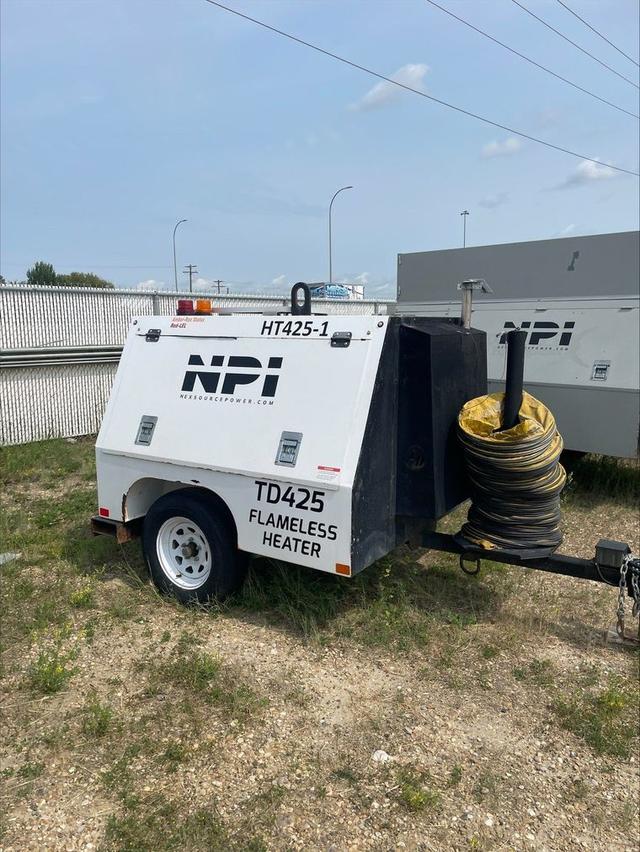
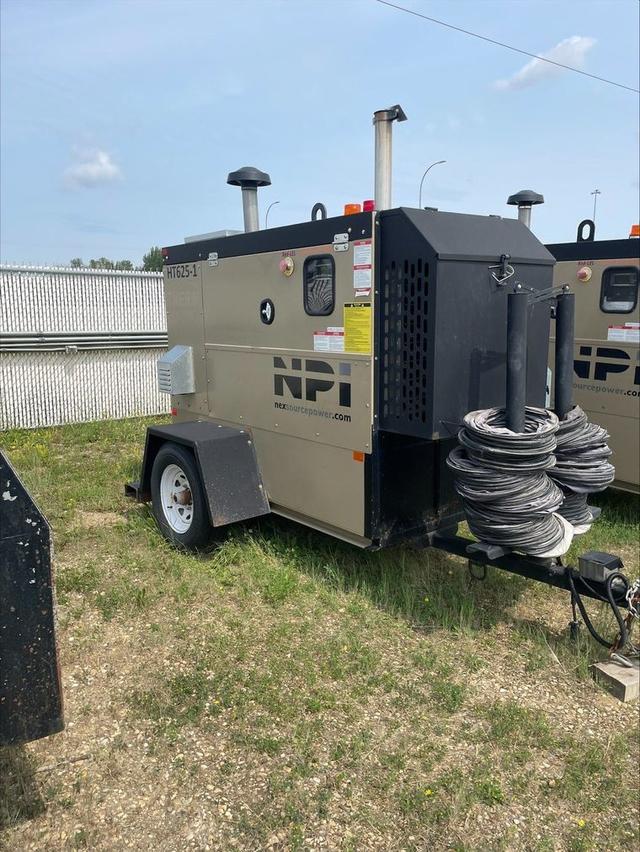
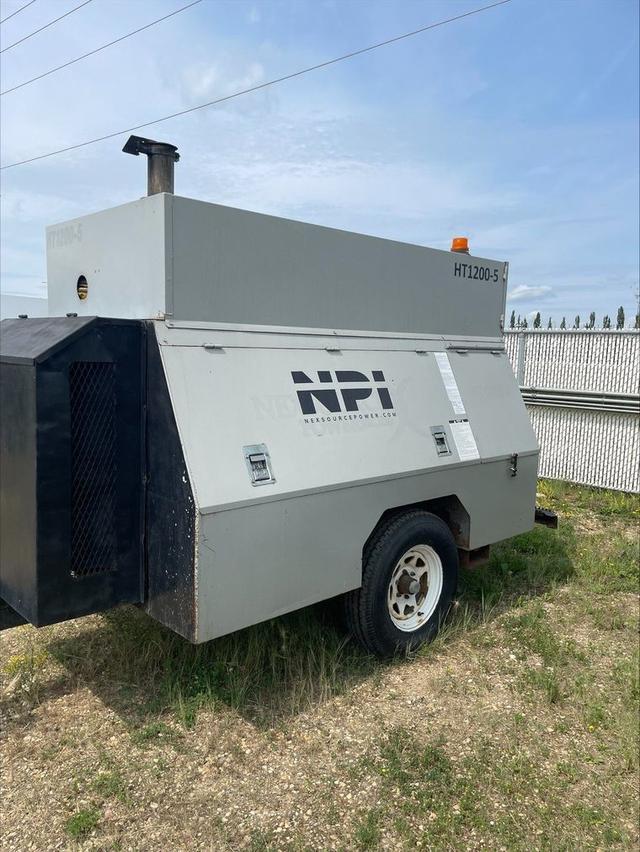
The heaters travel with the crews. Everything else is set up once and left for the season. Follow the links for sizes and specifications.
Gas and diesel sets for the yards, offices and stations, sized to what each location draws. A station under construction and a row of office trailers are very different loads.
Diesel generator rentals →Panels from 30 A to 1,200 A spread one set's output over the trailers, the plug-ins and the shop, each circuit protected.
Power distribution rentals →Bulk diesel staged at the yard, so the heaters and generators on the line can be topped up close to where they work.
Fuel tank rentals →Natural gas sets also suit a station where gas is on site; see natural gas generator rentals. For the wider oil and gas picture, the oilfield page covers wellsites, batteries and compression.
A winter program is short, and the weeks at either end are the tightest. These are the four points to plan for.
Book while the winter program is being scheduled. Send the number of crews, how far apart they work, the yard and office layout, and any stations on the job. That fixes how many heaters and generators the spread needs at once.
Settle the gate requirements, orientation and drop points with the prime contractor. Our COR and ISNetworld records go to the prime with the rest of its prequalification.
The heaters are on trailers and follow the welding and tie-in crews. The yard and office equipment stays where it is. Field service is on call 24/7 at (403) 887-4567.
Spring road bans close many routes when the frost comes out. Plan the demobilization while the roads are still open, and release equipment as each section is finished.
Tie-ins, crossings and work beside an existing pipeline come with the owner's own hot-work and area rules. Our heaters and generators carry no published hazardous-area rating, so how close they may go is decided on site by the operator and the prime contractor, not by us.
Bring those rules into the quote. The number of heaters, the length of the ducting and where each one stands all follow from them.
Every heater and generator ships from Red Deer. Gathering, transmission and station work is concentrated in these regions, and each page has its local detail.
Around Edmonton, the Edmonton flameless heater page goes into local detail.
That is the operator's decision. The heaters have no burner, which is why they are often accepted where open flame is not, but no hazardous-area rating is published for them. Ask the operator's safety lead where heaters may stand at a tie-in to a live line, and we will plan the units and the ducting around that answer.
It depends on the size of the shelter, how well it is sealed and how cold it gets, so there is no chart. The three units run from 425,000 to 1,200,000 BTU/hr. Send the shelter's dimensions, what it is built from and the temperatures expected, and we will recommend the unit, or a pair of them, at no charge.
Each one carries its own diesel on the trailer (84 gal on the TD425, 200 gal on the TD625 and 210 gal on the TD1200), and how long that lasts depends on the output it is running at. On a long spread, a fuel tank at the yard and a regular top-up round usually keep them going.
Yes. Saskatchewan is part of our service area, as well as all of Alberta. Everything ships from the yard in Red Deer, and the distance is part of the written quote.
Yes. They are usually quoted together for the whole job, with each location sized separately: generator and distribution for the yard and offices, a separate set for the station, and heaters for the line. Equipment can be released as each part of the job finishes.
There is no published rate. Heater and generator counts, the months on site, fuel use and how far the job is from Red Deer each move the total. You get a written quote for the whole job, and sizing advice is free.
Send the job dates, the number of welding and tie-in crews, the yard and office setup and any stations on the job. You get a written quote for the heaters, generators, panels and fuel, shipped from Red Deer.