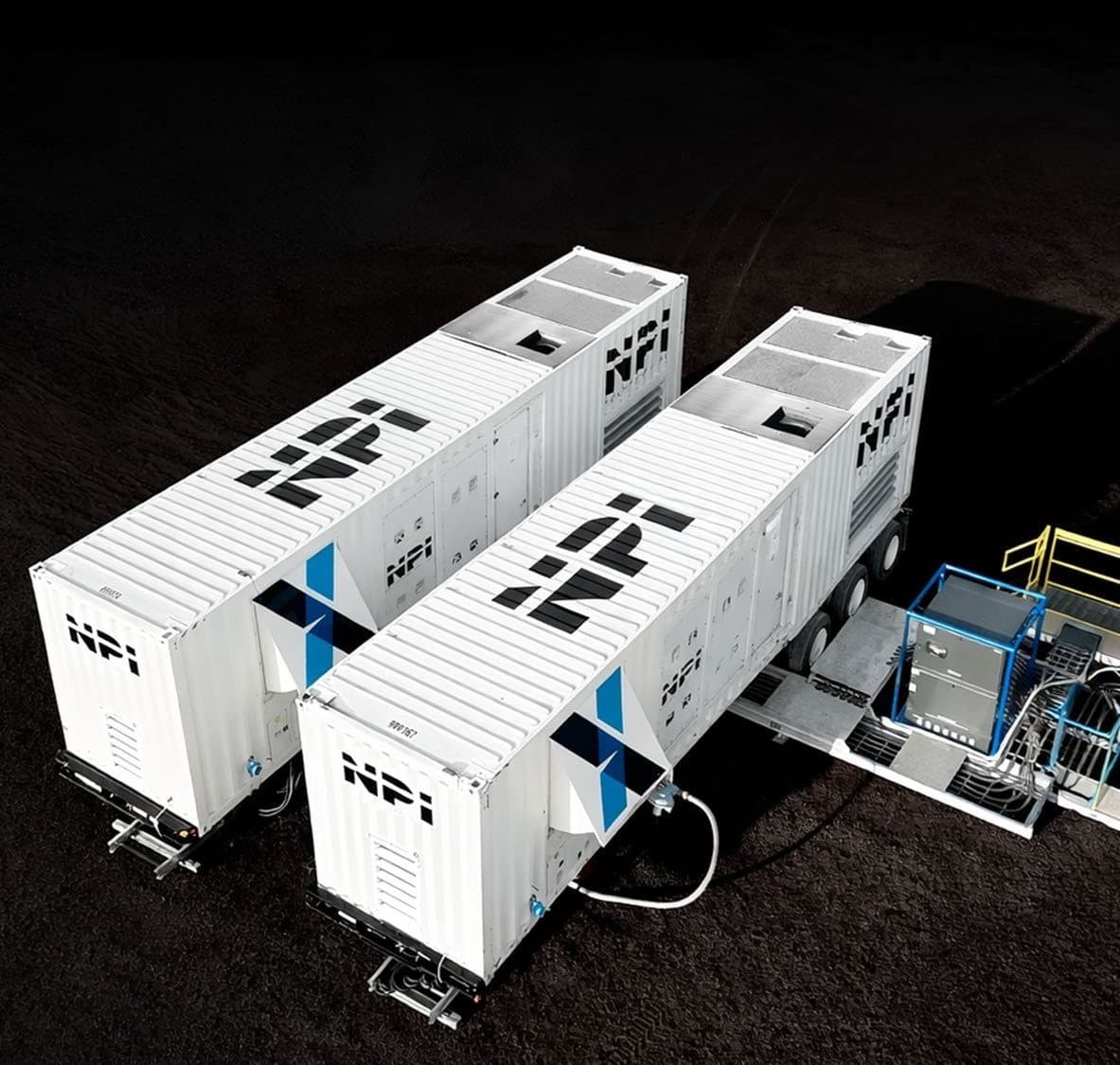
A work camp off the grid is a small town running on generators. Kitchens, dorms, the dry and the water system all depend on them, every hour, for months. We size work camp generators to that load, put a spare set on line so a fault does not darken the camp, and plan the fuel around how often a truck can get in.
A camp's demand follows the shifts. It climbs at breakfast as the kitchen fires up and the dry empties, settles through the day, and peaks again when the crew comes back for supper, laundry and showers. Off-grid camp power solutions start with a list of what is running at those peaks, and which of it has to keep running whatever happens.
Ovens, fryers, dishwashers, walk-in coolers and freezers. The biggest swings of the day come at breakfast and supper, and the cold storage cannot sit without power for long.
Supply pumps, pressure systems, treatment and lift stations. Lose these and the camp has no water to drink, cook or shower with, and nowhere for the wastewater to go.
Lighting, outlets, ventilation and, depending on how the units are heated, fans, controls or electric heat. Mostly a night and early-morning load, when the crew is in.
Dryers, boot and glove dryers, washers and exhaust fans, all running hard at shift change. Short, sharp peaks rather than a steady draw.
Site offices, the medic room, the network and radio gear. Small loads, but the ones everyone notices first when they go down.
Walkways, parking and the pads around the buildings, plus heat trace on water lines through the winter. A load that grows with the dark and the cold.
Between the generators and those buildings sits the distribution: panels, cabling and transfer switches. The camp's electrical contractor confirms the connections and any permit the site needs.
A camp on a single generator is one fault away from cold walk-ins, no water and a full crew with nowhere to shower. Every engine needs servicing eventually, too, and a camp that runs around the clock has no quiet hour to switch it off.
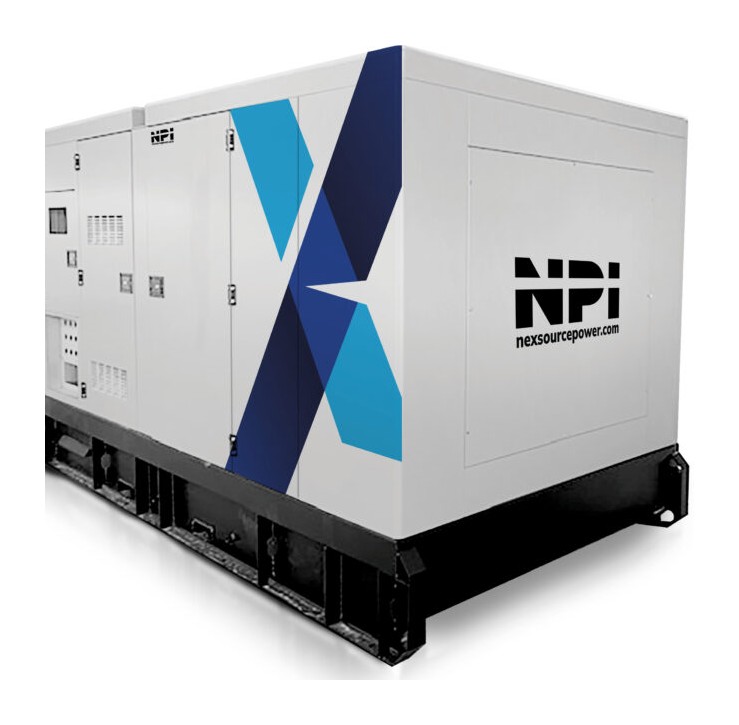
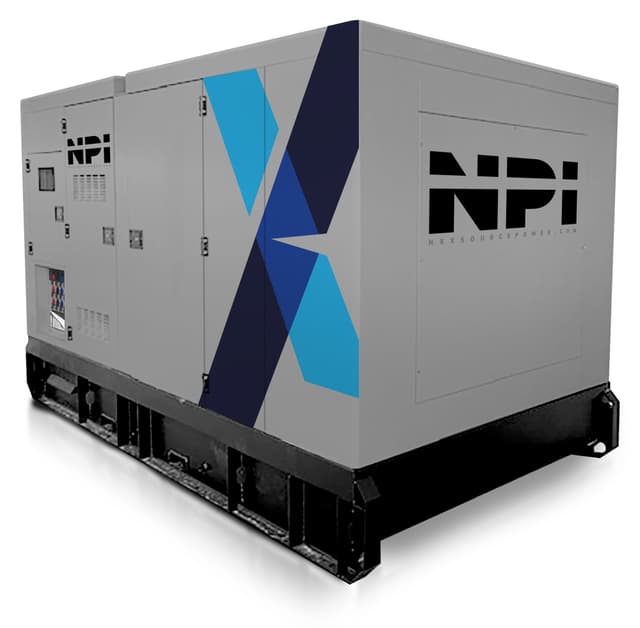
The answer is one more set than the load needs. On units built for it, such as the NPI Series, the sets run in parallel and share the camp between them, and the rest carry on if one drops out.
That is what N+1 means. If the camp needs two sets to carry it, three are on site, so any one can trip or come down for service while the others hold the load.
On the units built for it, sets share the load through their controllers and take over from each other without someone running cords across the yard at 2 a.m.
Oil changes and repairs happen on the set that is offline. The camp keeps running through scheduled maintenance, not just through a fault.

Between the evening peak and breakfast, a camp's demand can drop well below what its generators are rated for, and a diesel run lightly for long stretches suffers for it. NPI Series packages carry a breaker reserved for a load bank, so a set can be worked properly without taking the camp off power.
Most remote camps run on diesel because the fuel arrives by truck. Several packages carry their own tank sized for around a day of work; a camp running for months needs external fuel tanks big enough to ride out a late delivery, a storm or the road bans that come with spring breakup.
Where the camp sits near a gas line or has a propane supply that can keep up, natural gas and propane generators run on that and take most of the hauling off the job. Otherwise, diesel generator rentals with bulk storage are the standard camp generator rental, run as prime power because there is no grid behind them.
How often a fuel truck can realistically reach the camp sets the storage, not the other way round. Plan for the gap between deliveries plus a margin for a late truck.
Fuel burned depends on how hard the sets work across a full day, not the nameplate. The quote works it out from your load list and comes back with runtime per fill.
Whether your fuel supplier or the camp operator fills the tanks, the schedule and the minimum level that triggers a call are written down before the camp opens.
For a first estimate of the daily burn, the power calculators are a place to start. The quote confirms it against your load list.
A camp that opens in early fall can look comfortably powered for its first two months. Then the nights get long, the heat trace comes on and every building is working against the cold at once. Sizing for that week from the start avoids adding a generator in the middle of a cold snap, when it is hardest to deliver and connect.
Heat trace, block heaters, extra lighting and any electric heat all climb together. The camp is sized for its coldest, darkest week, not an average day in September.
Diesel needs to be a grade suited to the season, and storage is checked for water before it freezes in a filter. Gas service and propane supply are confirmed for winter demand.
Flameless heaters warm engines, shops and maintenance work. They run on their own diesel engines, so they add nothing to the camp's electrical load.
Nameplate ratings are enough. Each unit is set up and load tested in our Red Deer shop before it goes out, and the generator sizing guide explains how the list becomes a size.
Diesel, natural gas and propane sets offered for rent, read live from inventory. Which of them suit your camp, and in what combination, comes out of the load list. Terms run from short-term to multi-year, and some units can be rented to own.





Weighing a long rental against owning the sets? Read renting vs. buying. Every unit is in the full inventory.
It is built up from the camp's own equipment rather than read off a headcount. The kitchen, water and wastewater systems, the dry, the dorms and the winter heat trace all go on the list with their ratings, and the sets are sized for the busiest hour of the coldest week with a spare on top. Send that list and the sizing comes back with the quote.
One more generator on site than the load needs. If two sets carry the camp, a third runs alongside them, so a fault or a service on any one set does not take the camp down. On units built for paralleling, the sets share the load and pick up for each other automatically.
It depends on what is on site. Where there is a gas line or a propane supply that can keep up with the camp day and night, a natural gas or propane set runs on that and takes fuel hauling off the job. Where there is neither, diesel with external fuel tanks is the usual answer, with storage sized for the gap between deliveries.
Enough to carry the camp from one delivery to the next, plus a margin for a truck that is late because of weather or road conditions. The daily burn comes from the load list, so the storage and the fill schedule are set together in the quote.
Yes. Terms run from short-term to multi-year, so a camp can be powered for a single project or for as long as it stays open. Where a camp will need power for years, ask about rent-to-own; some units in the fleet qualify.
With N+1, the remaining sets carry the camp while the fault is dealt with. Field service answers 24/7, every day of the year, and is dispatched from our Red Deer yard. NexSource works from Red Deer only, and remote camps across Alberta are supplied and serviced from there.
Headcount, the kitchen, water and wastewater equipment, how the buildings are heated, the fuel on site and how long the camp will run. You get a written quote for the generators, the spare, the distribution and the fuel storage, prepared in Red Deer and supported 24/7 once it is on site.