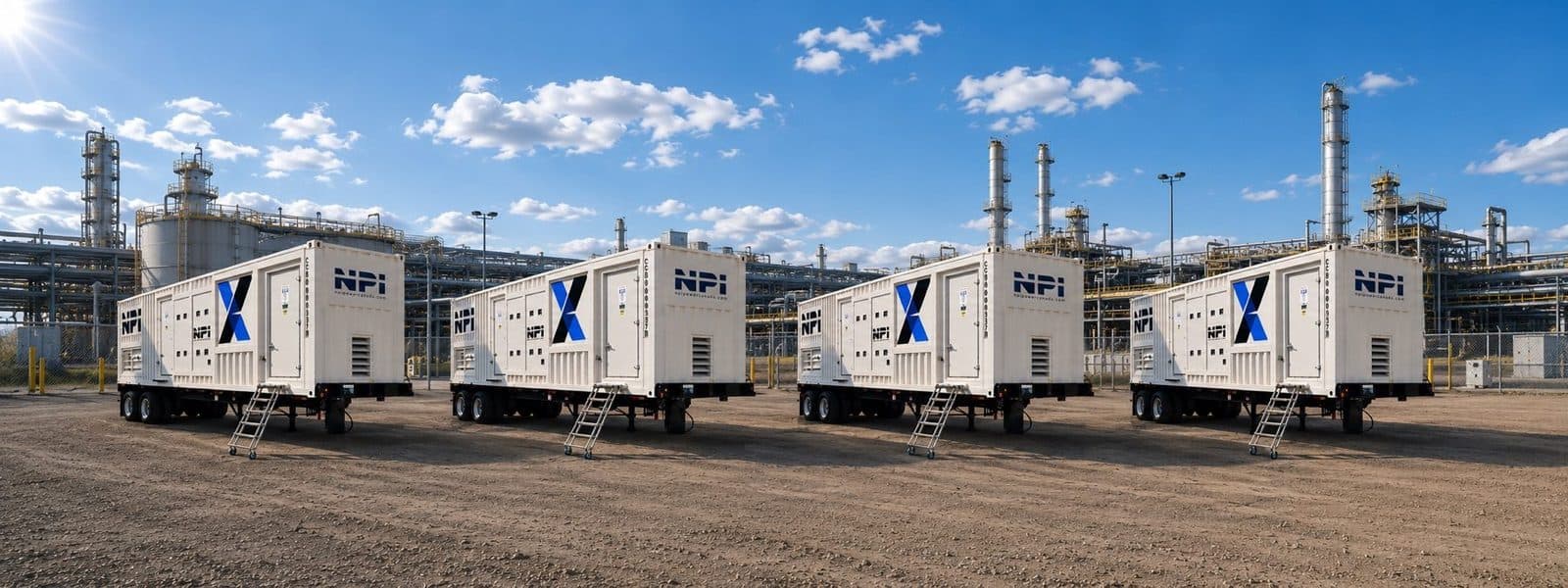
Prime power for processing, redundant sets for the dewatering and ventilation that cannot stop, and modular capacity that grows with the mine plan — on natural gas where there is gas, and diesel where there is not.
Sizing a mine's power starts by separating what can ride through an outage from what cannot. Water and air come first; everything else is planned around them.
Pit and underground pumps that cannot stop for long without water gaining on the workings. The load that most often justifies a second set on standby beside the first.
Fans that keep air moving underground run around the clock, and losing them stops work below. Sized with redundancy from the start, not added after an outage.
Crushers, screens, mills and conveyors — large motors started under load. The generator is sized for the start of the biggest motor, not only the running total.
Heavy-equipment shops, wash bays, compressors and welding — steady daytime loads that are easy to undersize when they share a set with processing.
Accommodation, kitchens, dry and site offices on a remote property, usually on their own set so a process trip does not put the camp in the dark.
Light towers for night shifts in the pit and flameless heaters for winter maintenance — each on its own engine, off the site generator.
A mine's load rarely stands still. Several paralleled sets suit it better than one large machine: capacity arrives in blocks as the operation expands, and no single unit is ever the whole site.
Parallel-capable sets join the ones already running, so a larger pump or a new circuit is a delivery rather than a redesign of the power plant.
With one more set than the load needs, any unit can come offline for maintenance while the rest carry the site. The same arrangement is what keeps dewatering running through a fault.
NPI Series packages carry a breaker reserved for a load bank, so a set running well below its rating can be worked properly without taking the site off power.

Drill programs and small camps a long way from anything. Compact sets that move with the rigs, fuel storage to stretch deliveries, and light for shift changes.
Site works, the first infrastructure and the construction of the plant. Temporary power sized phase by phase, with distribution to reach a site that keeps changing shape.
Prime power where the grid does not reach, or bridge power while a utility connection is built. Paralleled capacity with redundancy for the loads that cannot stop.
Planned maintenance on the mine's own power system, or cover when it fails. Rental sets carry the critical loads while the permanent equipment is worked on.
Fuel is the other half of a remote site's power plan: natural gas and propane sets where there is gas, and diesel generators with bulk fuel storage where there is not.
Every generator here is rentable today; the list reads live from inventory. For a mine site, the larger units and anything that parallels are usually where the conversation starts.


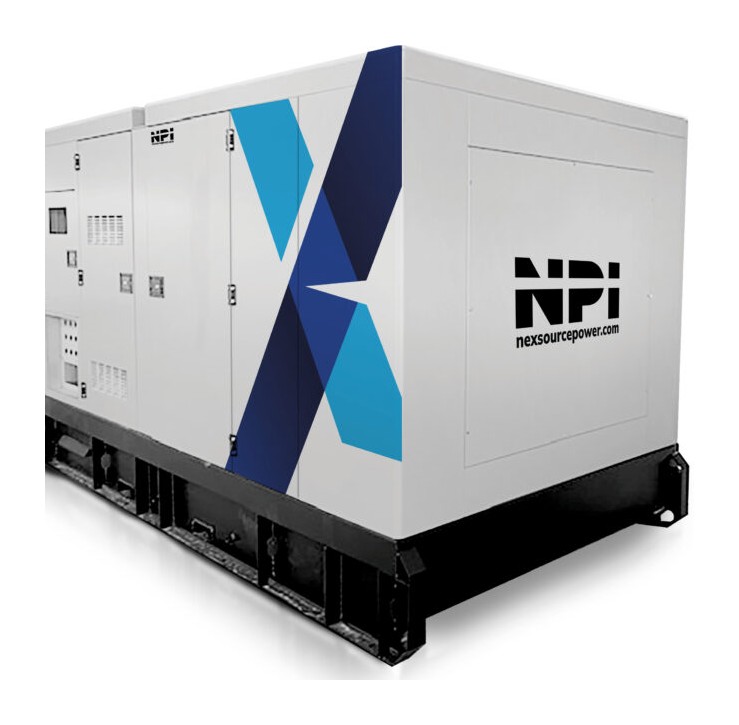


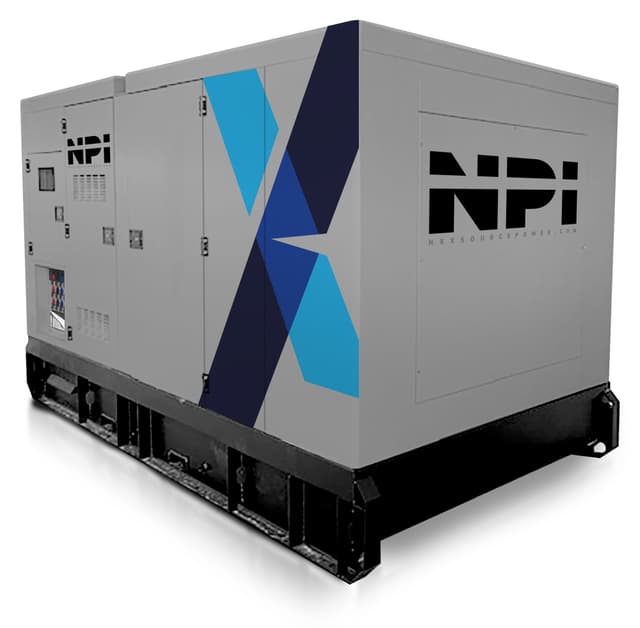


Around the generators: power distribution, load banks and standby with automatic transfer. For work across the province, see generator rentals across Alberta.
It is built up from the loads rather than picked from a range: the dewatering pumps, ventilation fans, the largest motor in processing and how it starts, the shops and the camp. Send the equipment list with motor sizes and starting methods, and the package — often several paralleled sets rather than one large one — is sized against it.
Yes. Prime-rated sets run as the site's power plant where there is no grid, for as long as the operation needs. Over a long term the questions become fuel supply, service intervals and whether to rent or own; rent-to-own is available on parts of the fleet, so a long rental can end in ownership.
By not leaving them on a single machine. Critical loads are usually carried by paralleled sets with one more unit than the load needs, or by a dedicated standby set behind a transfer switch. Whether that arrangement meets the mine's own requirements for those systems is for the mine's engineer to confirm — send what they specify.
Where a gas line or reliable gas supply reaches the property, natural gas or propane sets remove fuel hauling from a long, expensive supply chain. Where it does not, diesel with bulk fuel storage is the usual answer. Many sites use both: gas for the steady base load and diesel for mobile or temporary work.
NexSource Power holds COR and ISNetworld registration, which most mine operators ask for before a supplier comes on site. If the property uses another prequalification system, say which when you enquire.
Field service answers 24/7, every day of the year, and units are dispatched from our Red Deer yard. On a remote property the better protection is designing for it: a redundant unit on the critical loads means a fault is a service call, not a stoppage.
The equipment that has to run, which of it cannot stop, the fuel on or near the property and how the load is expected to grow. The quote comes back in writing with the sets, the redundancy and the distribution laid out.