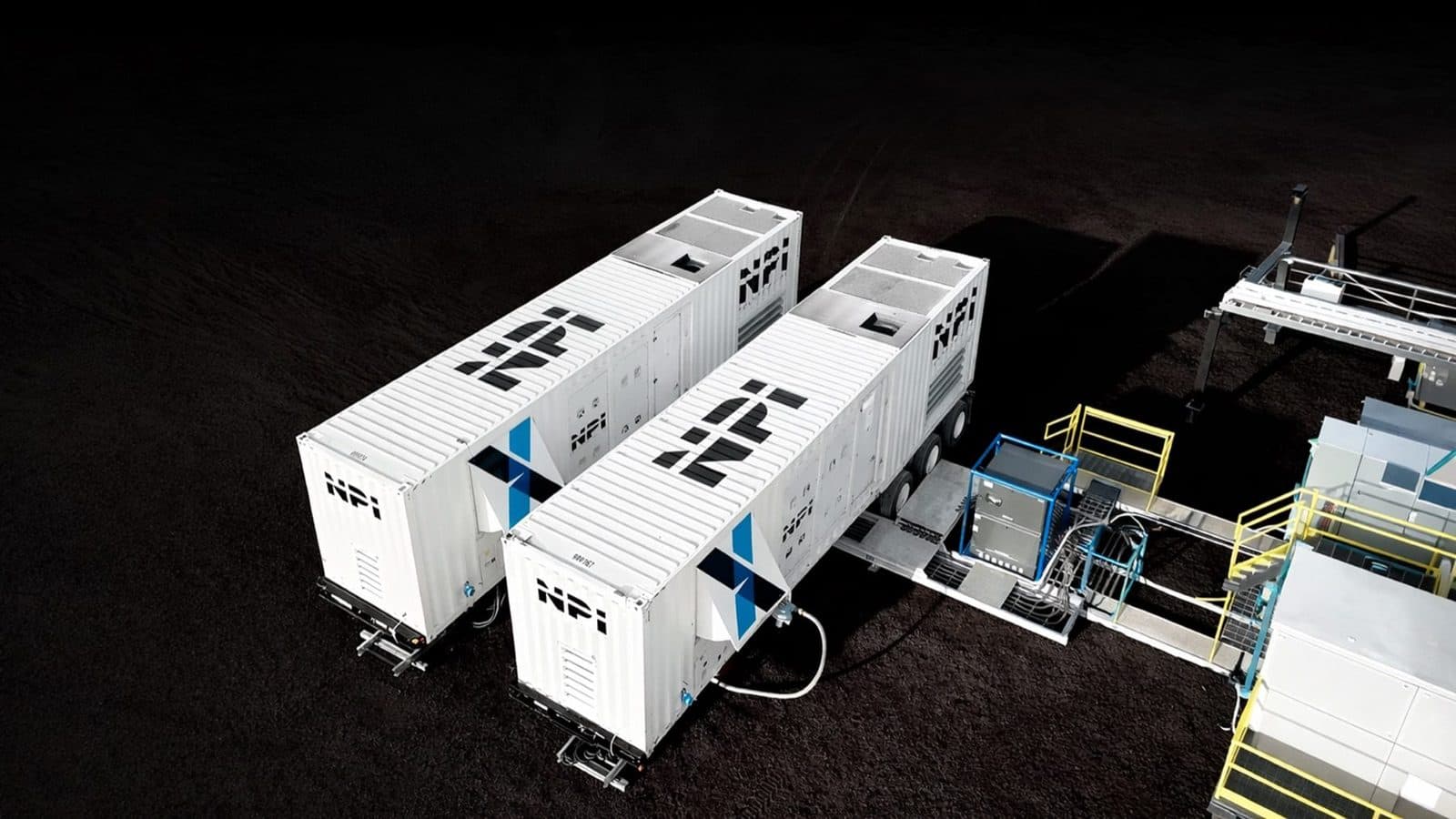
A prime power generator rental is for a site where the generator is the supply, not the backup. The set carries the load through every shift, for months at a stretch. We size natural gas and diesel packages against their prime rating, parallel more sets in as the load climbs, and keep them serviced from Red Deer until the term ends.
A standby set waits for the utility to fail. A prime set has no utility to wait for, or not one that can carry the work, so it is started with the job and shut down when the job stops. Most sites arrive at prime duty by one of four routes, and the route sets the length of the term and whether more capacity will follow.
A producing lease, a compressor station, or a mine beyond the end of the line. The set is the supply for pumpjacks, instrumentation, compression and processing, and it usually runs unattended.
The plant is built and the service is not, or a mine has gone into production ahead of its line. Bridge power carries the site at full duty until the connection is energised, then leaves. The utility's schedule sets the term, and the site rarely controls that schedule.
There is a service, but not enough of one. A facility adds a process line or a motor larger than its connection was built for. A prime-rated set carries the part of the load the service cannot. Your electrician decides which circuits move to it.
An irrigation pump, or any pump on a long job, starts once and then holds a steady load day and night until the work is done. The motor's start fixes the smallest set that will do. After that, everything comes down to fuel and servicing over a long run.
Each sector has its own page: oilfield production power, mining power generation and irrigation and pumping on the farm, with the rest listed under Industries.
Most generators carry more than one kW rating. The numbers describe different jobs, not better and worse machines. Before a continuous power generator rental or a prime one is quoted, the useful question is which of the three matches how your site will actually use the set. Size against the wrong one and the set is either bigger than the work needs or asked for more than it is rated to give, every day of the term.
The figure for a set that rests most of the time and runs when the utility fails, on a load that varies. It is higher than the prime figure on the same set. It is the right basis for outage cover and the wrong one for a site with no other supply.
The figure for a set that is the site's only source, carrying a load that rises and falls through the day over a long term. It sits below the standby number, and it is the number a prime power quote is built on.
The figure for a load that holds at one level without a break and is expected to stay there indefinitely. A pump or compressor held at one output for the whole term is the typical case. Where a site's draw is that flat, this is the rating to check before the set is chosen.
A set that only has to cover an outage is a different package, built around a transfer switch: see emergency standby generators. On any listing, confirm which rating the kW figure is before the load list is matched to it.
Stretch a rental from weeks to months and the generator stays the same while the decisions around it change. Three come up on every long term: where the fuel comes from, whether the engine is loaded enough to stay healthy, and whether renting is still the right arrangement as the term keeps growing.
Where gas reaches the site, from the lease or a utility service, the set burns what is already there. Over a prime-power term the cost difference against hauled diesel keeps widening the longer the unit stays. Where there is no gas, diesel with bulk storage and a fill schedule agreed at quote time carries the site. Either way, fuel is settled before the set is chosen.
A set sized for a load the site never reaches spends its term lightly loaded. On diesel, that means an engine that never gets fully hot and unburned fuel collecting in the exhaust, which is known as wet stacking. A run against a load bank is the usual cure. Gas engines dislike light running too. NPI Series packages have a second breaker set aside for exactly this, which lets a bank put real work on the engine while the site stays powered.
Renting suits a term with an end date and a load that may change. When the extensions keep coming and the total rent starts to approach what the set would cost to own, buying deserves a proper look. Raise it when the term starts drifting, not when it ends.
Related: bulk fuel storage for diesel sites, a load bank for scheduled runs on a set working below its rating, and the full arithmetic of renting vs. buying.
A set that runs every day reaches its service points during the rental, not after it. Planned servicing is set up at the same time as the rental. The interval follows the hours the unit actually runs and how hard it works, so the plan is written for that unit's duty rather than taken from a chart.
A visit covers more than routine work on the engine. On NPI Series units, planned maintenance includes oil sampling, which shows how the engine is wearing between visits. A load bank run checks that a set which has spent weeks below its rating can still carry its rated output.
On a single set, service means a planned stop, so the visit is scheduled around the site's operation. With paralleled sets and a spare beyond what the load requires, one comes off for its service and the remainder keep the site running. If a long term includes loads that cannot stop, that is the reason to plan for the extra unit from day one.
Between visits, a fault goes to 24/7 field service from Red Deer, every day of the year. NPI Series packages are serviced by the shop that built them, so the parts and the people who know the unit come from the same place.

Long terms rarely end with the load they started with. A well comes on, a pump is upsized, a second process line starts. Paralleled sets meet that growth by adding capacity beside what is already running instead of replacing it with something bigger. The same arrangement is what lets one set be serviced without the site going dark. On the diesel side, paralleling depends on the unit, so ask which listed sets are built for it.

Every NPI Series package can run in parallel from the day it ships, its controller synchronising the sets and dividing both kW and VAR load between them. Two 350 kW units carry 700 kW together and three carry 1,050 kW, so the next block of capacity is another unit on a truck, not a new design.
Put a spare set beside the ones the load requires and any single unit can stop, for a service or a fault, with its neighbours picking up its share. On loads that cannot stop, such as dewatering or a production process, that spare unit is what keeps a fault from becoming a shutdown.
One large set chosen for the load a site might reach runs lightly loaded until it gets there, and on a long term that is months of the wrong duty. Start with the sets today's load needs and add one when the next load arrives, and each engine stays properly loaded.
Both grids read from inventory, so every unit shown is offered for rent and can go into a quote. Each card opens the unit's full listing, with engine, voltage and enclosure.
If the site has gas, these are the first sets to look at for a long term. That gas can come from a lease, once its analysis is checked, or from a utility service. A gas set handles a sudden large load less readily than an equally sized diesel, so a site with a large motor is sized against that start or has its starts staggered. Fuel supply and gas conditioning are covered in more depth under natural gas generator rentals.


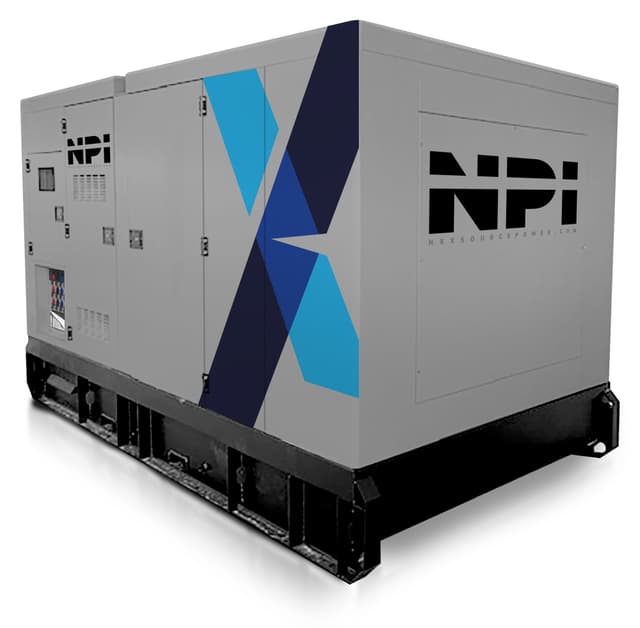


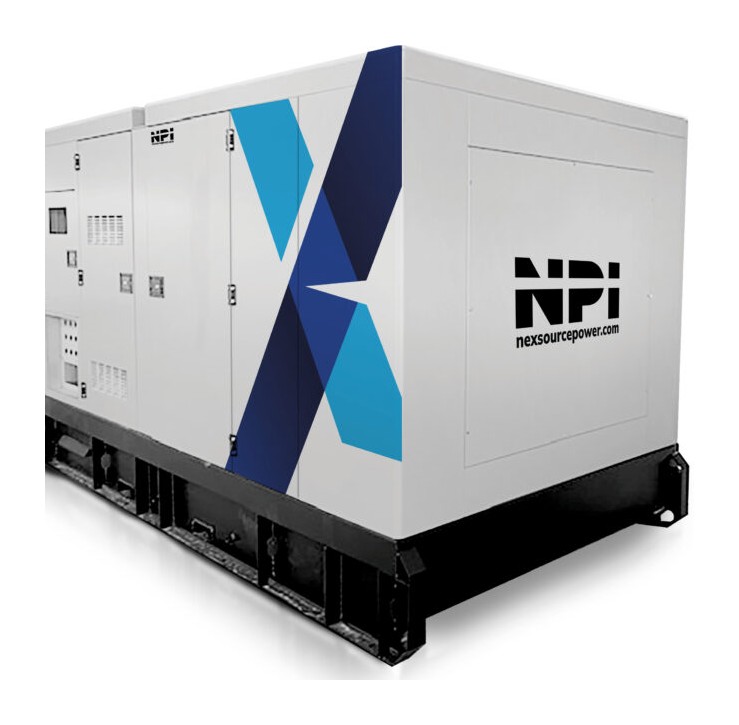


For a site with no gas, diesel is the prime fleet. The fuel comes by truck, so a long term is planned around storage on site and the time between deliveries. The rest of what this fleet does is on diesel generator rentals.


The sets listed below are offered rent-to-own, so the rent paid on them builds toward owning the unit. It applies only to the units flagged below, so if a long term starts to look permanent, look at these first.
Not quite. Both describe a set that is the only supply and runs for long stretches, but they assume different loads. A prime rating is for a load that changes through the day, the way a site's draw does as motors cycle and shifts change over. A continuous rating is for a load that holds at one level without a break, indefinitely. A listing may show either figure, so ask which one a kW number refers to and size against the one that matches how your site draws power.
Yes. On a site with no grid, that is the normal job for a prime-rated set. Four things make it work: a set sized against its prime rating, a fuel supply that keeps up (gas on the site, or diesel in bulk storage on an agreed fill schedule), planned servicing arranged at the start of the rental, and enough load on the engine to keep it healthy. Where a load cannot stop, a second set alongside the first lets either one be serviced without a shutdown.
On a schedule set up with the rental, at an interval that follows how many hours the set runs and how it is loaded. Visits cover routine servicing, oil sampling on NPI Series units and, where a set has been running light, a load bank run. A fault between visits goes to 24/7 field service from Red Deer. With paralleled sets and one unit spare, the unit being serviced comes off while the others keep the site powered. On a single set, the stop is planned around the site's operation.
Gas, where the site has it. A prime power natural gas generator running on lease gas or a utility service takes fuel deliveries off the job, and over a long term that saving keeps growing. Field gas has to be analysed first, because wet gas, sour gas or the wrong pressure damages an engine. Gas sets also accept less load at once than a diesel does, so a large motor start is either sized for or staggered. Where there is no gas, diesel with bulk fuel storage on site is the answer. Some sites run both.
Yes, when the sets are built to run in parallel. NPI Series packages leave the shop ready to parallel: the controller already handles synchronising and dividing the load. A second 350 kW unit takes a site from 350 to 700 kW, and a third takes it to 1,050 kW. On diesel it depends on the unit, so ask which listed sets are built for it. Tell us early which loads are likely to come next, so the first package and its distribution are laid out to accept another set.
Yes, on the units flagged rent-to-own on this page. On those sets, rent paid during the term can go toward the purchase price instead of stopping when the term does. The option belongs to each unit, so the flagged list is the one to check. Raise it early, once a term starts to look permanent.
Start with what runs now: the load and how it swings over a day, the largest motor and its starting method, and the voltage. Then the fuel the site can offer, the loads you expect to add, and a rough end date if there is one. With that, a prime power generator rental can be specified and quoted in writing: which sets, how they are fuelled, and when they are serviced.