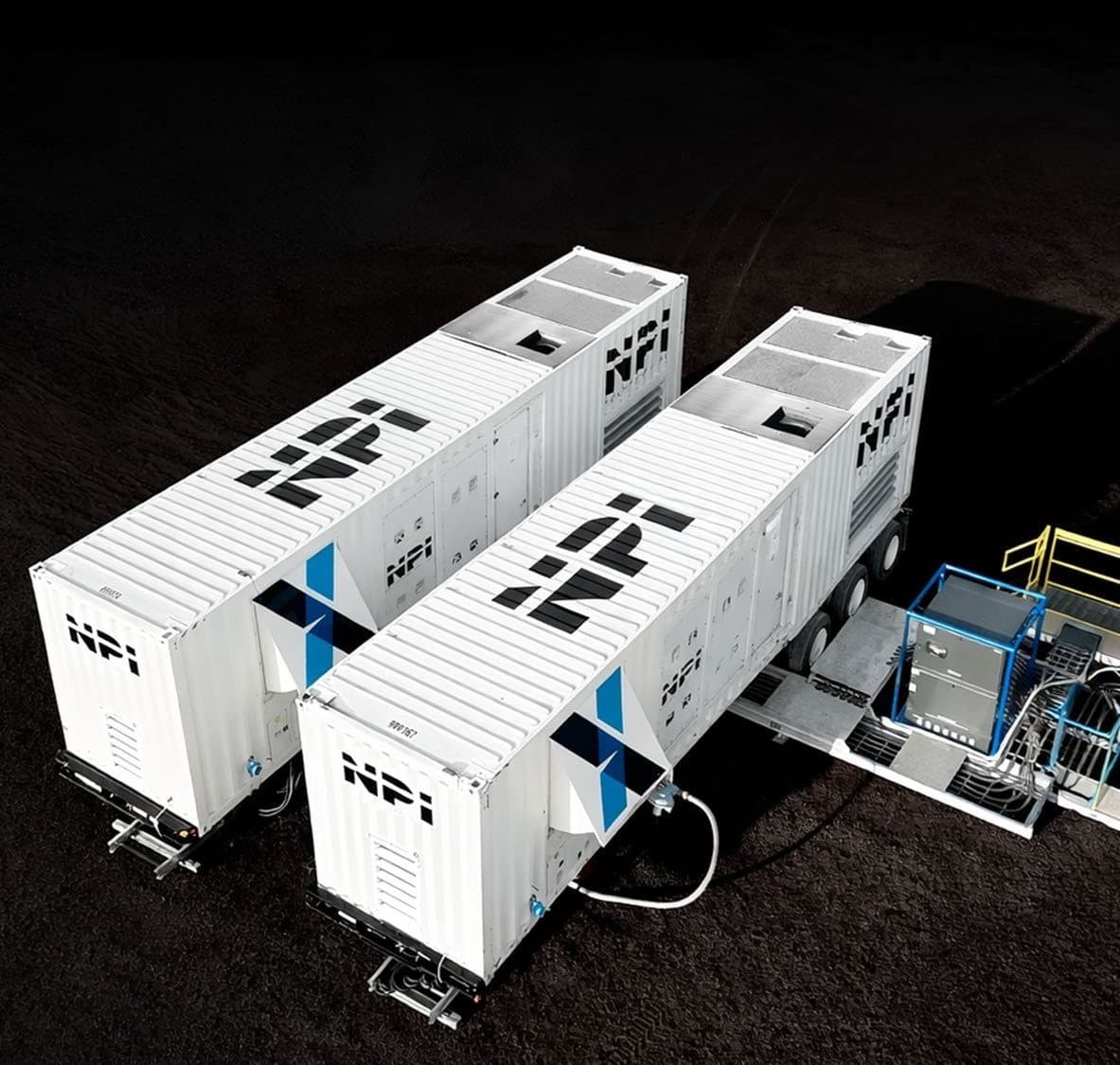
Rental standby power for plants, facilities and critical sites across Alberta: a diesel set sized to what has to stay on, an automatic transfer switch to bring it on without anyone there, and a load bank run to prove it can carry the load before the building depends on it.
Most sites that rent standby already have a plan for outages. The rental covers the period when that plan is unavailable or not yet in place, and the reason for the gap decides how long the set stays, how it connects, and how much fuel goes with it.
An engine rebuild, a failed controller, a replacement on backorder. The building still needs cover for however long that takes, and a rental set on the existing transfer arrangement is the shortest path to it.
The utility or your own electrical contractor needs the service dead for a switchgear change or a transformer swap. The shutdown date is known, so the set can be sized, connected and tested days before rather than on the morning.
Storm season, wildfire season, a feeder with a history of trips. A set staged on site with an automatic switch turns the next outage into a brief blink for the lights instead of lost product.
A new facility that has to open before its own standby system is delivered or accepted. The rental carries the requirement until the permanent installation is signed off, then leaves.
A generator parked beside a building is not standby until something connects the two and decides when to use it. That is the transfer switch. It sits between the utility service, the set and the loads it protects, and it will never feed the utility and the generator into the same circuit at once.
An automatic switch watches the incoming supply. When it fails, the switch starts the set, waits for stable voltage and frequency, and moves the load across. When the utility returns and holds, the switch moves the load back and lets the engine cool down. At three in the morning on a weekend, that is the difference between a brief flicker and a freezer full of spoiled product.
The fleet rents a 1,000 A automatic switch for exactly that duty, and a 400 A manual switch for planned changeovers where someone is on site to perform them. Where the building already has its own transfer equipment, the rental set connects to that instead, and the connection point is agreed at quote time, not on delivery day.
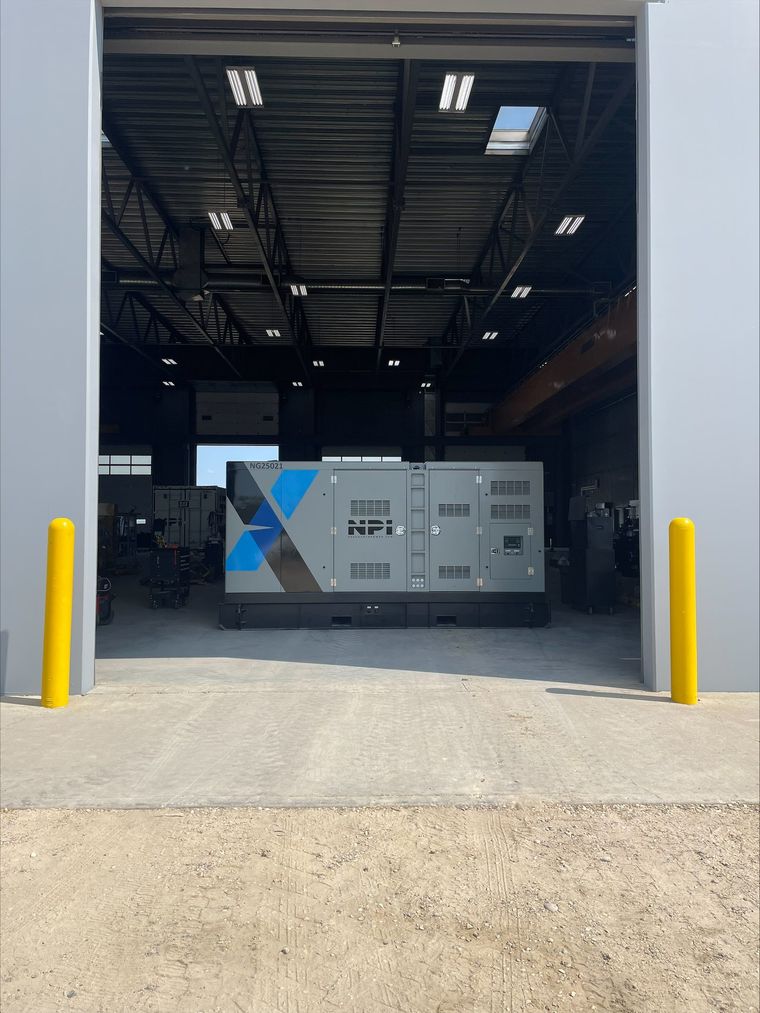
A standby set is sized against the moment the power comes back, not against an average day. Get these four answers together before you call and the quote can be firm the first time.
Not the whole building, usually. Refrigeration, controls, IT, sump and process pumps, and whatever safety systems the site depends on. A shorter list makes a smaller set, a smaller fuel bill and a faster pickup.
When power returns, every motor on the standby circuit tries to start at once. The largest start usually sets the size of the unit more than the running total does, and staggering restarts can take a size off the quote.
The set, the switch and the building service have to agree. A 600 V plant and a 208 V office are different packages, and the ampacity of the service determines which switch goes out.
Hours, or days. That decides the fuel arrangement more than it decides the generator, and it is what separates a set that rides out an afternoon from one that holds a site through a week-long restoration.
Fuel on board and a quick response to a block of load: the two properties that matter most when a set sits idle for weeks and then has to take the whole standby circuit at once. The grid below is the live fleet, so what is listed can be quoted today.


A reliable gas service at the building? Natural gas generator rentals can stand by too, and remove refuelling from a long outage. The full diesel generator rental page covers the rest of that fleet's uses.
A set can start every Tuesday on its exercise timer and still fail on the day it has to carry the building, because starting and carrying full load are different tests. A load bank can go out with the package, so the set runs against a known load once it is connected on site and before the building is relying on it.
The same applies to a permanent set you already own. If it has been exercised lightly for years, a load bank run is the cheapest way to find out whether it still makes its rating, and a far better time to find out than in the middle of an outage.
A standby rating is the most a set will deliver for the length of an outage, on a load that varies, for a limited number of hours a year. A prime rating is lower, because it assumes the set is the site's only source and runs for as long as the site does. The same engine can carry both numbers. Size an outage-cover set against its standby figure, and a set that is going to run the site day in, day out against its prime figure — running a standby-rated unit as the full-time supply wears it out early.
With an automatic transfer switch, yes. The switch watches the utility supply, signals the set to start when it fails, and moves the load across once voltage and frequency are stable. When the utility returns and holds steady, it transfers back and lets the engine cool down before shutting it off. With a manual switch, a person performs the changeover, which is fine when someone is always on site.
As long as it has fuel and is serviced. The tank on the set decides the first stretch, and that depends on the unit and how hard it is loaded. For an outage that could last days, an auxiliary fuel tank goes out with the package and refuelling is arranged up front, so runtime depends on the fuel schedule rather than the size of the base tank.
It can supply the power, but whether it meets the building's emergency power requirements is not ours to decide. In Canada, emergency power for buildings is governed by CSA C282 through the building code, and the engineer of record and the authority having jurisdiction decide what a temporary arrangement must meet. Bring them in early. We will size and supply the set, the switch and the testing to the requirements they set.
Rent to bridge a gap: a shutdown, a season of unreliable supply, or the months between a failed permanent set and its replacement. Buy when the building needs standby permanently and the load is known. If a gap starts to look permanent partway through a rental, raise it with us — renting first and buying later is a conversation worth having early.
Diesel, in most cases. The fuel is stored on the unit, so it does not depend on a gas service that may be affected by the same event as the power, and a diesel set accepts a large block of load faster. Natural gas makes sense for standby where the gas supply is dependable and a long outage would otherwise mean trucking in diesel.
The loads on the standby circuit, the largest motor, the service voltage and amperage, and how long an outage you are planning for. That is enough to specify the set, the switch and the fuel arrangement, and to give you a written quote.