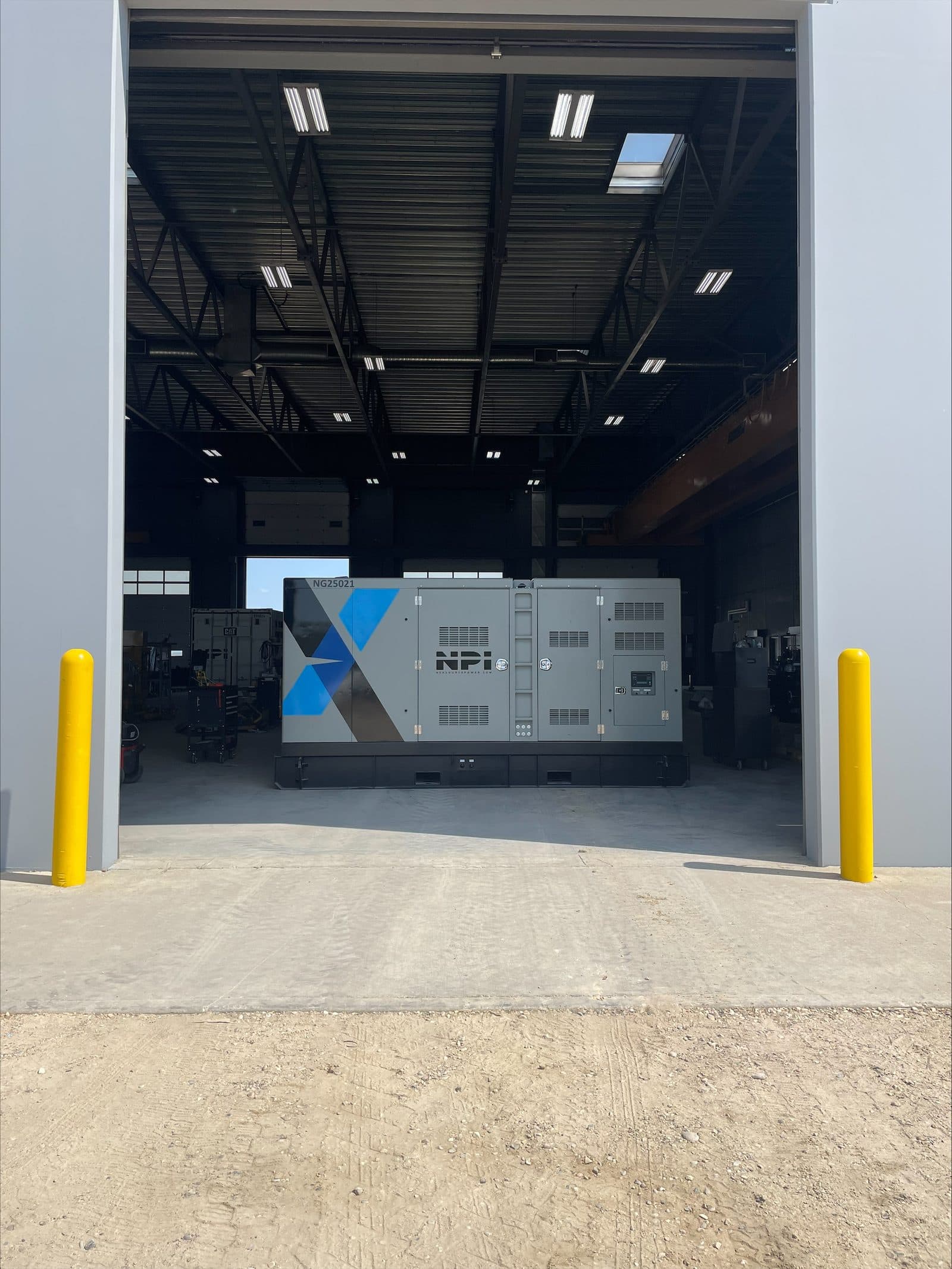
Rental power for stores, plants, shops, offices and facilities across Alberta through a planned outage, a generator repair, a temporary operation or an interruption nobody planned. Quoted from Red Deer against your actual load, voltage and fuel, with the transfer and distribution gear to connect it.
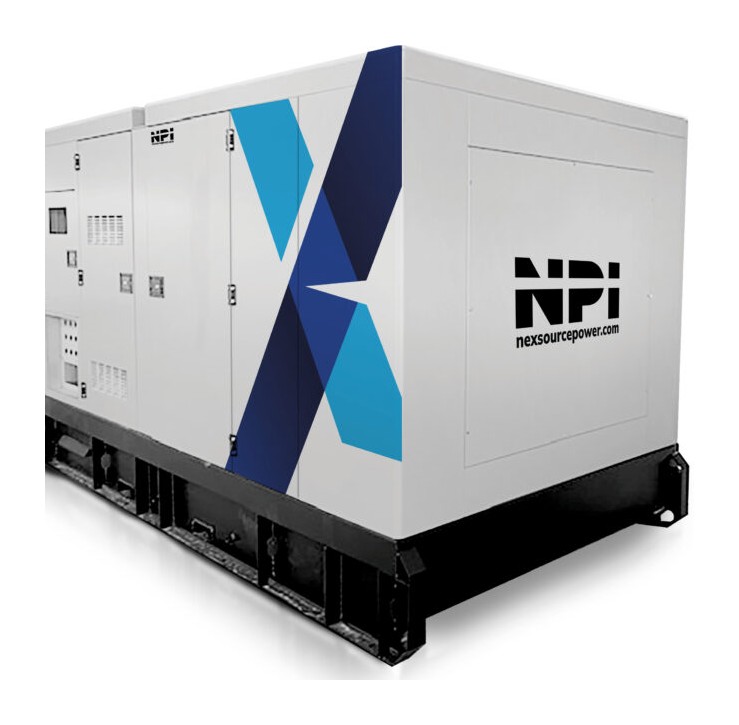
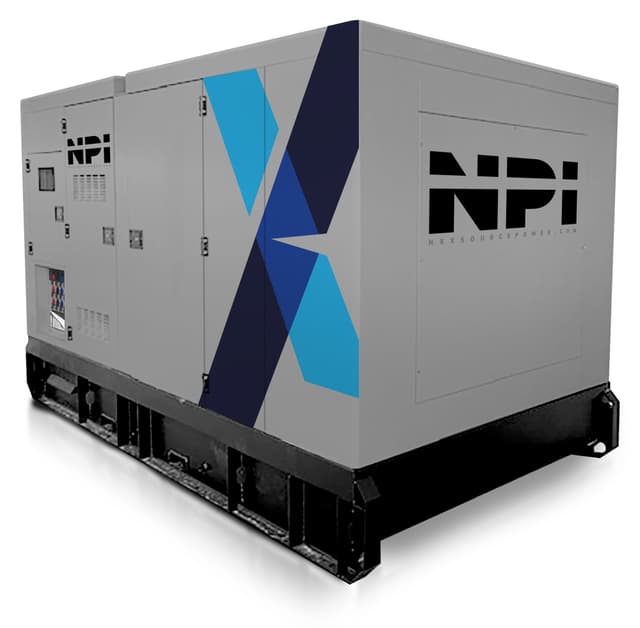
Compare diesel, natural gas and propane packages from NexSource's rental fleet. Each listing shows the unit's output, fuel and voltage, with a link to its specifications. Confirm availability for your dates and suitability for your building's load when you request a quote.





Each one changes the package. A planned shutdown is about timing, a failed permanent set is about fitting what is already there, temporary operations are about running every day, and an interruption is about what can move now.
The utility is replacing a transformer, or your electrician needs the main switchgear dead for a day. You know the date, so there is time to size the set, agree the connection point and have it running before the power goes off — not after.
The building's permanent set has failed, is waiting on parts or is being replaced. The business still needs cover for however long that takes, and the rental has to fit the transfer arrangement already in the building.
A temporary building, an operation moved while the main facility is renovated, or new equipment that has outgrown the service before the utility can upgrade it. Here the rental is the supply, not the backup, and it runs every day.
The power is already out, or a failing service is likely to drop. Call with what you know about the load and the building. What can go out, and how fast, depends on what is in the yard at the time, so you will get a straight answer rather than a promise.
Where the rental is there to take over the moment the utility fails, the switchover matters as much as the set — see emergency standby generator rentals. Where it will carry the business day in, day out, see prime power generator rentals.
Two buildings the same size can need very different generators. What matters is what is plugged in, how it starts, what the service looks like and how long the rental has to last.
What has to stay on, in kW or amps, while the rental is carrying it. Usually a short list: refrigeration, controls, servers, lighting, process equipment. A building does not have to be powered whole, and every circuit you leave off makes the package smaller.
A motor draws several times its running current for a moment as it starts, and the generator has to absorb that without the voltage sagging enough to trip anything else. The largest motor, and whether it starts across the line, on a soft starter or through a drive, often decides the size more than the running total.
The set has to match the building: 120/208 V and 347/600 V three-phase are both common in commercial buildings here, and a single-phase shop is different again. The nameplate on the main breaker or the switchgear answers the question.
If there is a natural gas service with enough capacity, a gas set can run without refuelling. If not, diesel carries its fuel on board, and a rented auxiliary tank stretches the time between fills from your fuel supplier.
A one-day shutdown, a few weeks of repairs or months of temporary operation are quoted differently, and duration changes the fuel plan and how often the set needs servicing while it is out. Give a start date and your best estimate of the end.
How the power gets from the set to the loads: through the building's existing transfer switch, through a rental switch, or through temporary panels and cable to individual equipment. This is settled at quote time so nothing is improvised on delivery day.
Plenty of commercial buildings in Alberta have a natural gas service for heat. If its meter and line have spare capacity, a gas generator can draw from it and keep running for as long as the rental lasts, with no fuel deliveries to schedule and no tank to watch. For temporary operations that run for weeks or months, that is usually the biggest saving in the whole package.
Diesel suits the rest: buildings without enough gas, short shutdowns where a gas connection is not worth arranging, and cover for an outage that might also affect the gas supply. The fuel travels with the set. For a longer rental, an auxiliary fuel tank can go out with it, and your own fuel supplier keeps it topped up on a schedule worked out from the load.
Whether the gas service can carry a generator is a question for the gas utility or your mechanical contractor, and it is worth asking before the quote, not after.

A building with its own transfer switch and a generator connection point is the simplest case: the rental set lands on what is already there. Many commercial buildings have neither, and then the question is whether the rental feeds the whole service through a transfer switch or feeds a few critical loads through temporary panels and cable.
The rental fleet includes a 1,000 A automatic transfer switch for sites that must change over without anyone there, a 400 A manual switch for planned changeovers with someone on hand, and distribution panels from 30 A to 1,200 A. Which of those goes out is decided with your electrician against the service size and the circuits you are keeping on.
On a long rental, or before handing a building over to a rental set, a load bank run proves the set carries its rated load once it is in place, rather than finding out during the outage.
NexSource works out of Red Deer, and commercial rentals go out from there to businesses throughout Alberta. The generator listings above use the same rental inventory as the rest of the site, so you can compare sets, fuel and voltage before you call.
The Generator rentals Alberta page shows every generator on rent now, the full inventory has the specs, and the rental catalogue covers the load banks, heaters, tanks and distribution gear that go with them. A site under construction rather than an occupied building is covered on construction generator rental.
There is no rate card. The price follows the size of the set, the transfer and distribution gear with it, how long it is out and how far it travels from Red Deer, so it is quoted per job in writing. Send the load list and the rental dates and the quote can be firm the first time.
Connecting a generator to a building's electrical system is permitted electrical work, done by a qualified electrician. Most businesses use their own electrical contractor. Tell us who that is when you ask for a quote, so the connection point, cable and switch are agreed with them before the set arrives.
It can supply the power, but whether a temporary arrangement satisfies the building's emergency power requirements is a decision for the engineer of record and the authority having jurisdiction, not for the rental company. Involve them early, and the set, switch and testing can be supplied to the requirements they set.
Rent when the need has an end date: a shutdown, a repair, a temporary operation, a season. Buy when the building needs standby permanently and the load is known. If a rental starts to look permanent, raise it — NexSource also sells new and used generators, and that conversation is easier early.
Yes. NexSource works out of Red Deer, and rentals go out from there to businesses across Alberta and beyond. Say where the building is when you enquire and transport is quoted with the package.
List what has to stay on, the largest motors, the voltage on the main breaker, whether there is gas at the building, and when the rental starts and ends. Add the address and your electrician's name if you have them. You get a written quote for the right package, and sizing advice costs nothing.